Yaeyama's Last bonito Fishing boat
photo: Tatsuya Tabii/text: Tomoki Nakamuta
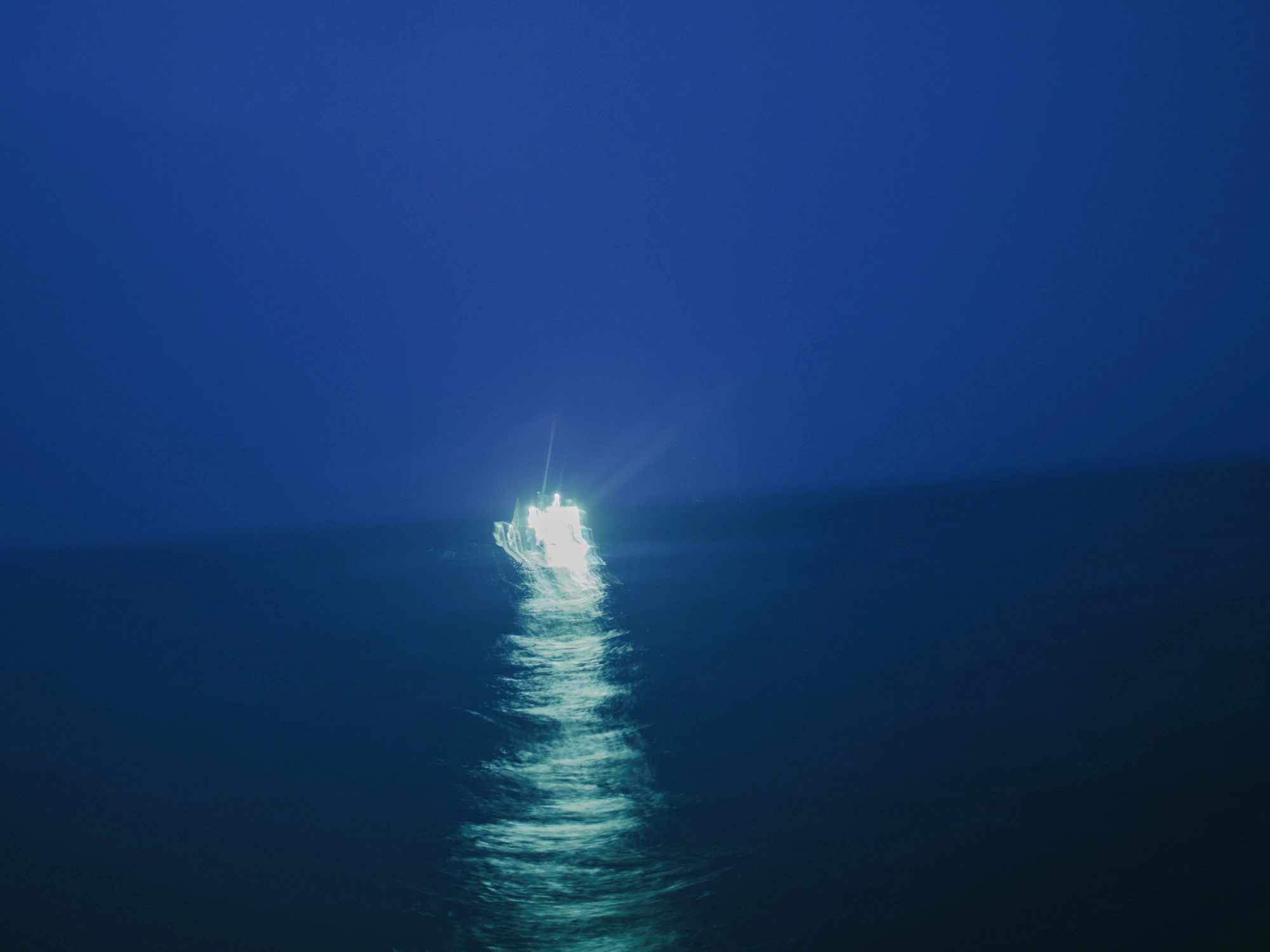
Just after midnight on a muggy July night at Ishigaki Port, the crew of the Daiichi Genmaru was preparing the fishing gear for their next voyage. They just needed Captain Hajime Kamiji to arrive. The port was otherwise deserted, and the Daiichi Genmaru’s lights were the area’s only source of illumination. When the captain finally stepped out of his car, the crew exchanged glances and began final preparations. Within minutes, they set out into the deep, dark ocean.
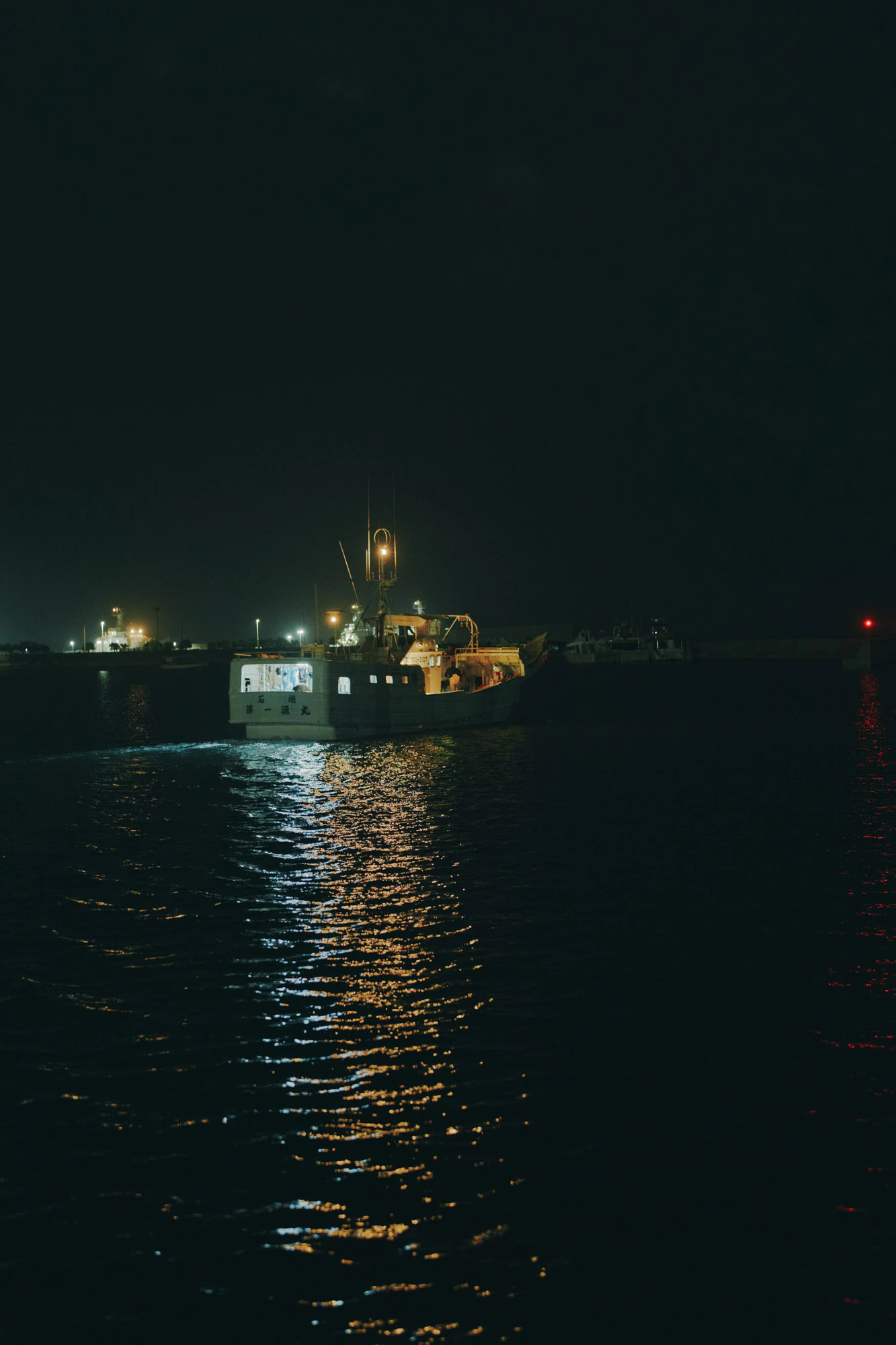
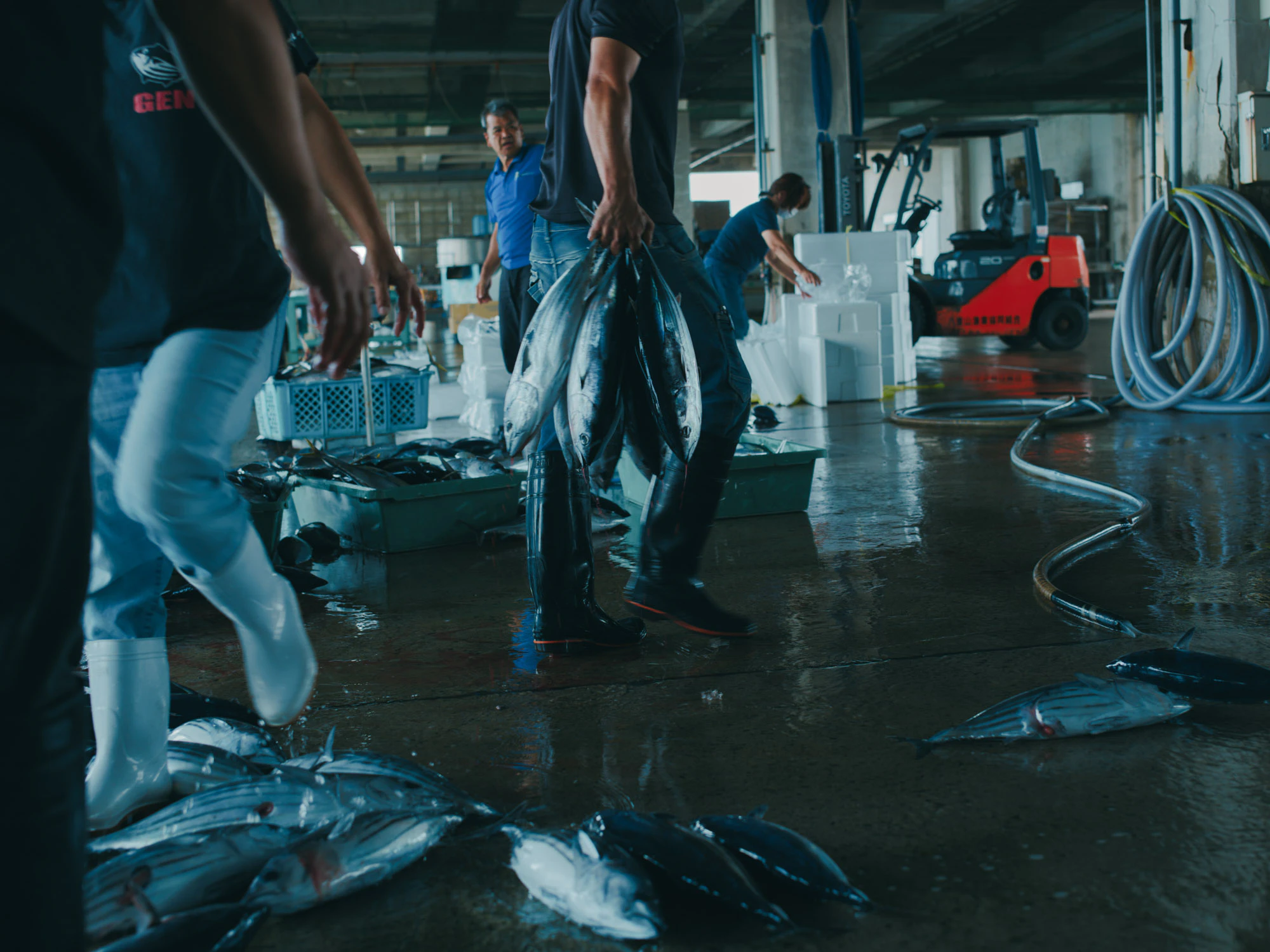
The Daiichi Genmaru were in search of katsuo—bonito. Locals in Ishigaki love tuna, mozuku seaweed, and red sea bream, but every summer, they look forward to the bonito that can only be caught from June to September. The Daiichi Genmaru is the last boat in Ishigaki that still catches bonito, and during the season, they set sail late at night and return to the fishing cooperative in the morning. Their arrival is greeted by women working for sashimi-ya (the Okinawan term for fresh fish direct sales outlets), who compete to buy the bonito. By lunchtime that day, Ishigaki restaurants are offering exceptionally fresh bonito. This included liver and heart, which can only be sold when extremely fresh and are considered rare delicacies. In the past, fishermen in Hateruma and Hatoma also went after bonito, and during the Taishō era, there were around 60 bonito boats in the Yaeyama Islands. Now, only the Daiichi Genmaru in Ishigaki takes up the challenge. The key issue is the need for live bait—in this case, juvenile fusilier fish. Catching the bait itself is a grueling job, requiring several people to swim deep with nets. Labor shortages and an aging workforce are making this work no longer viable. Currently, the Captain’s third son, Gen, is in charge of bait collection.
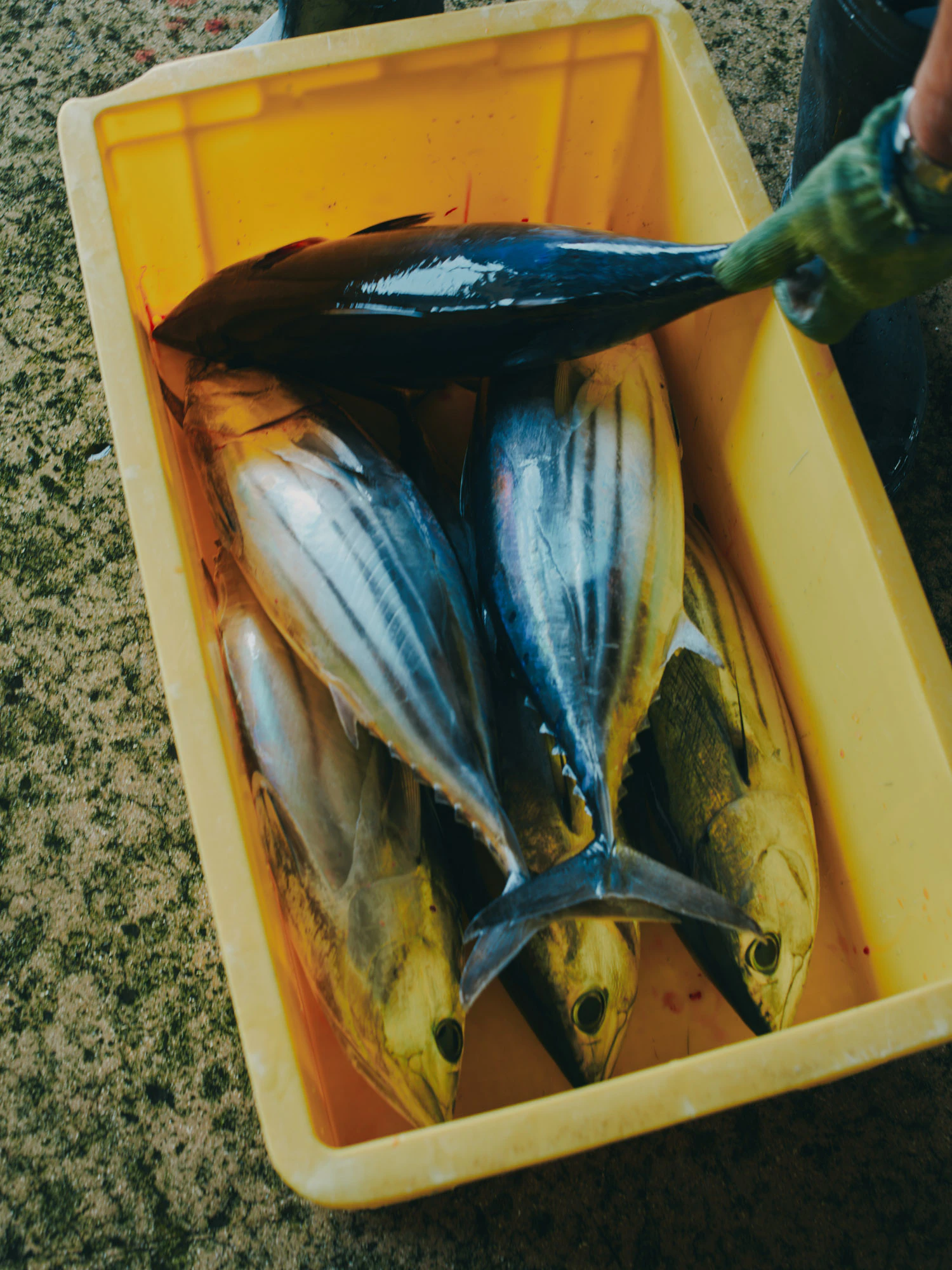
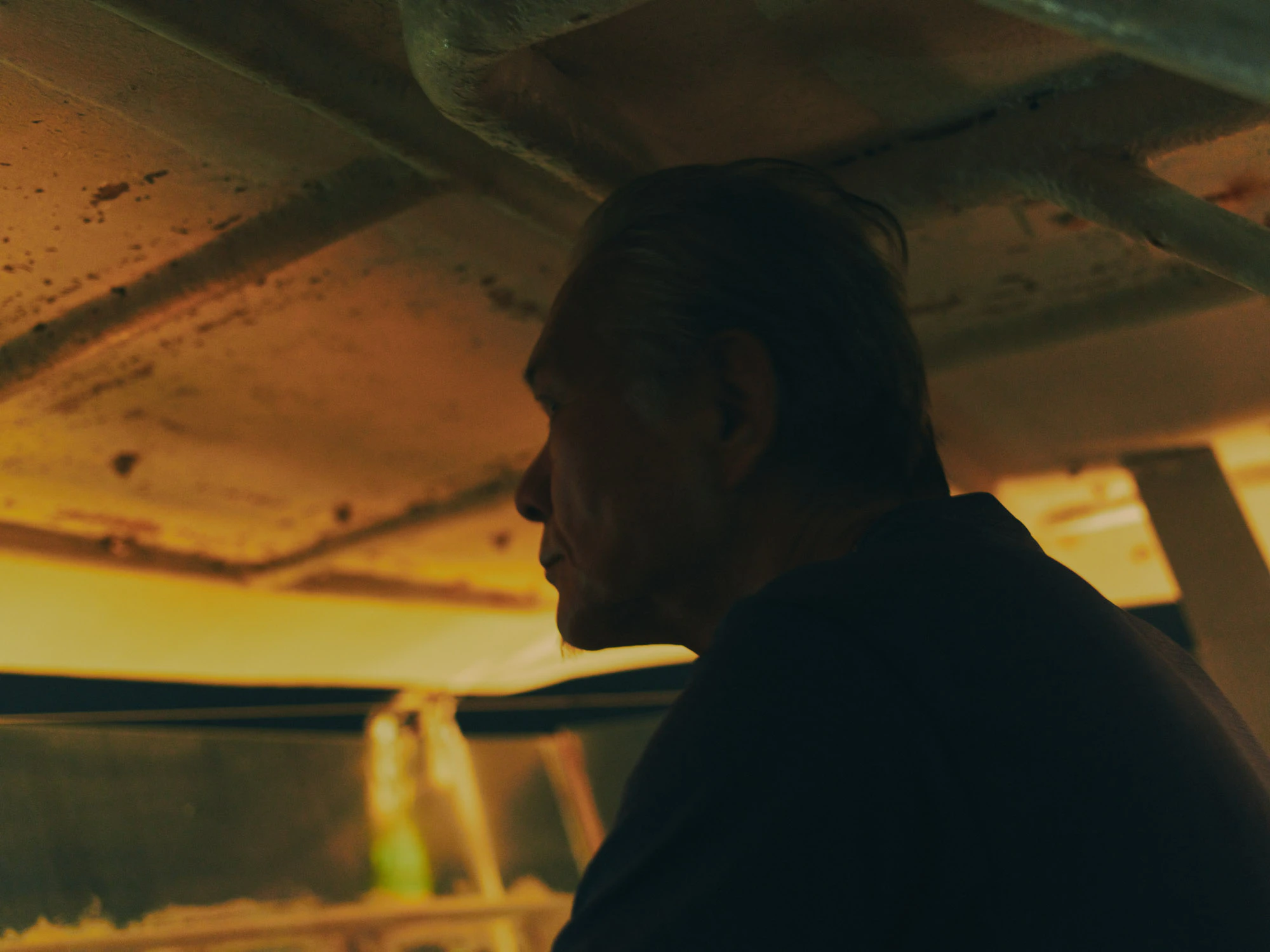
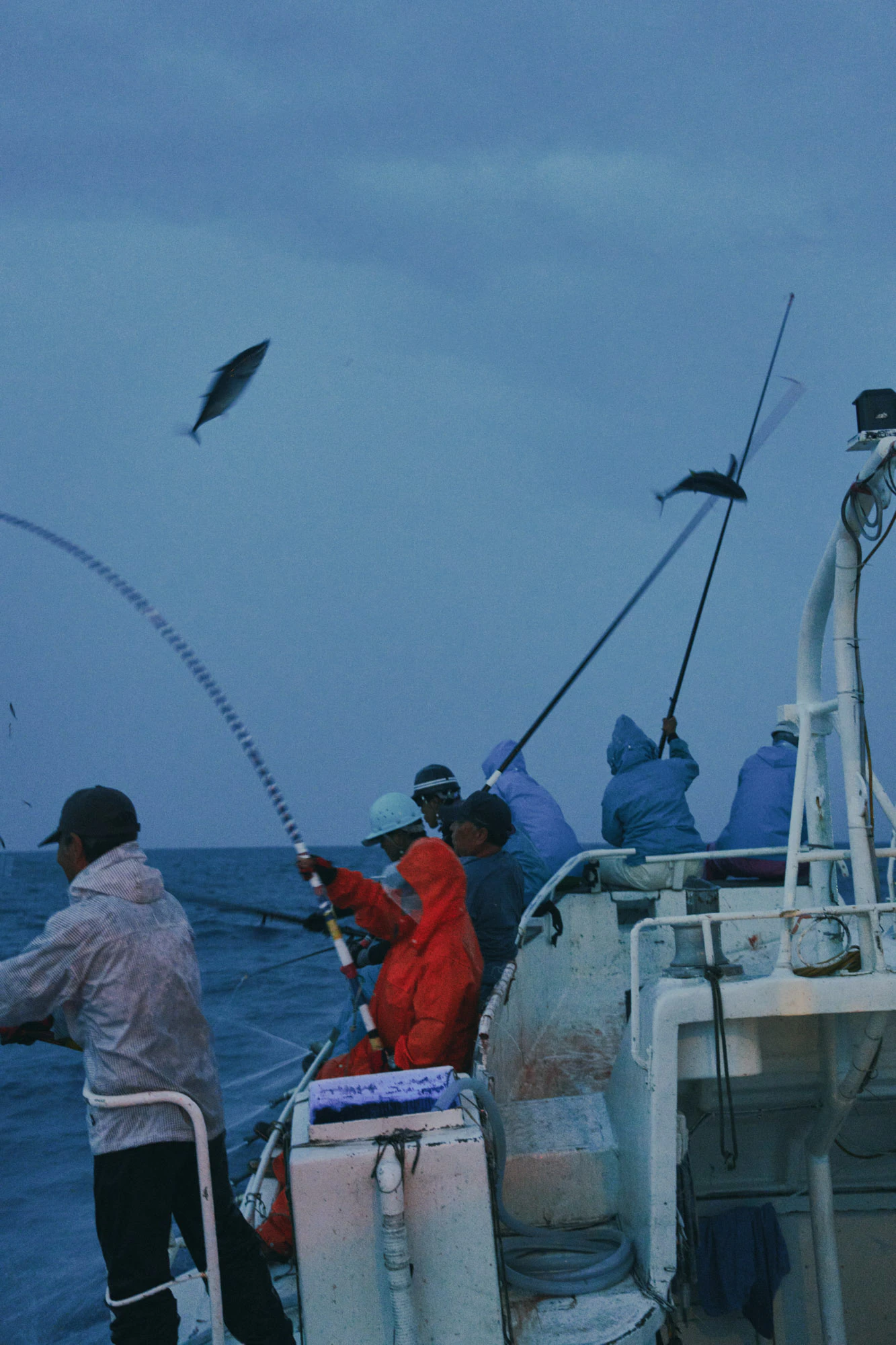
When fishing for bonito, one person scatters live bait into the sea, and seven others reel in the bonito using single-hook fishing. Using the skilled technique of removing the hook mid-air, the bonito appear to jump into the boat of their own accord. They fishermen catch a bonito almost every second. Then immediately kill the fish and then throw them into icy water. This is the secret to the astonishing freshness of the catch. Throughout the five-hour fishing trip, Captain Hajime speaks very little, and he commands the crew through gestures. He is also constantly moving the boat towards schools of fish. On the day of our photos, it was the second biggest catch of the season.
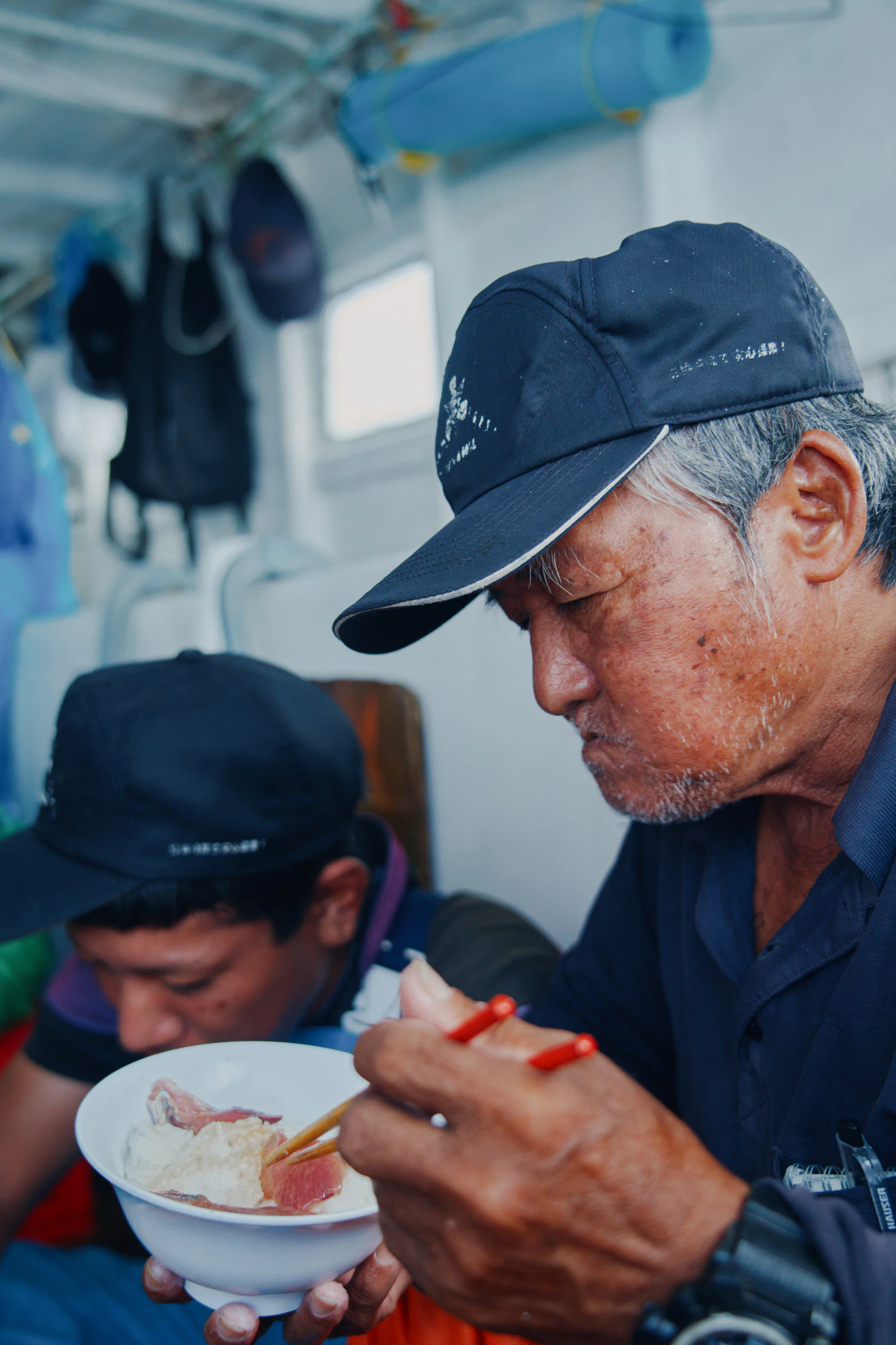
The fishing ended around 10:00 a.m., and the fishermen had breakfast on board while returning to port. There was their last chance to rest. Back in Ishigaki, they must unload the catch, then prepare and clean the fish for shipment to supermarkets across the country. They follow this schedule every day during the fishing season, barring typhoons. As the port finally came into view, Matsuoka, a veteran crew member and son-in-law of the captain, smiled at our cameraman, who was exhausted from the long hours of wind, rain, and undulations of the ship. “Good work out there. The sea was nice and calm today.”

New
MIYAZAKI
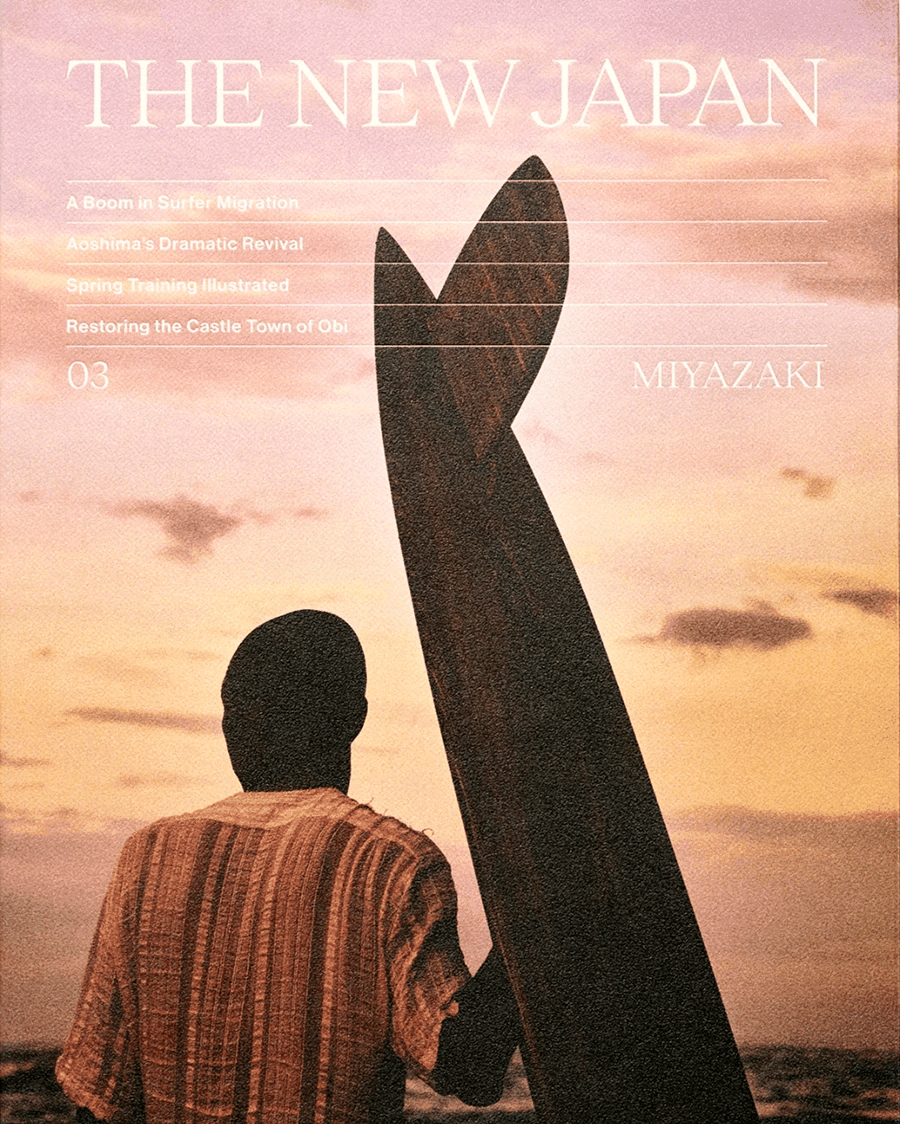
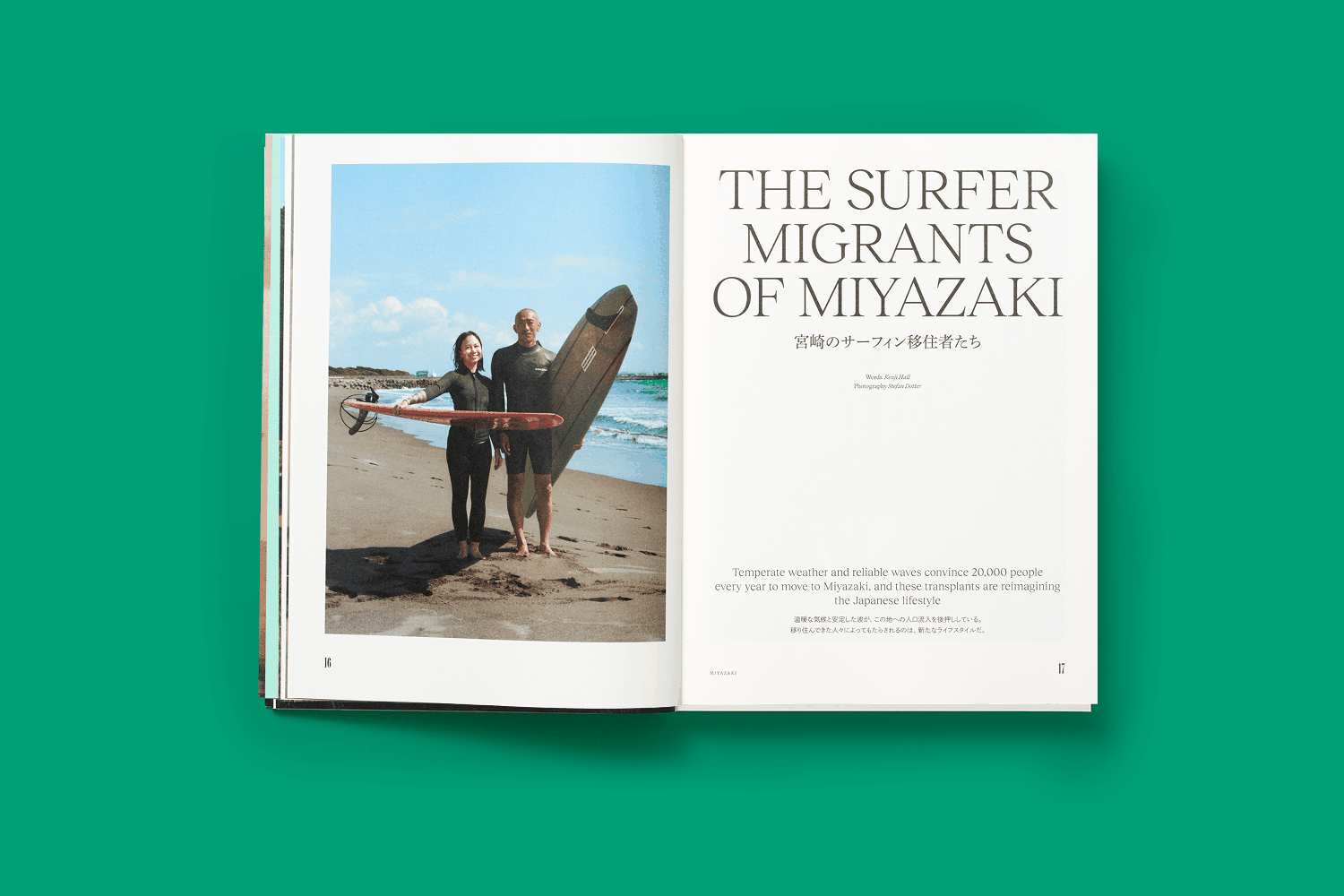
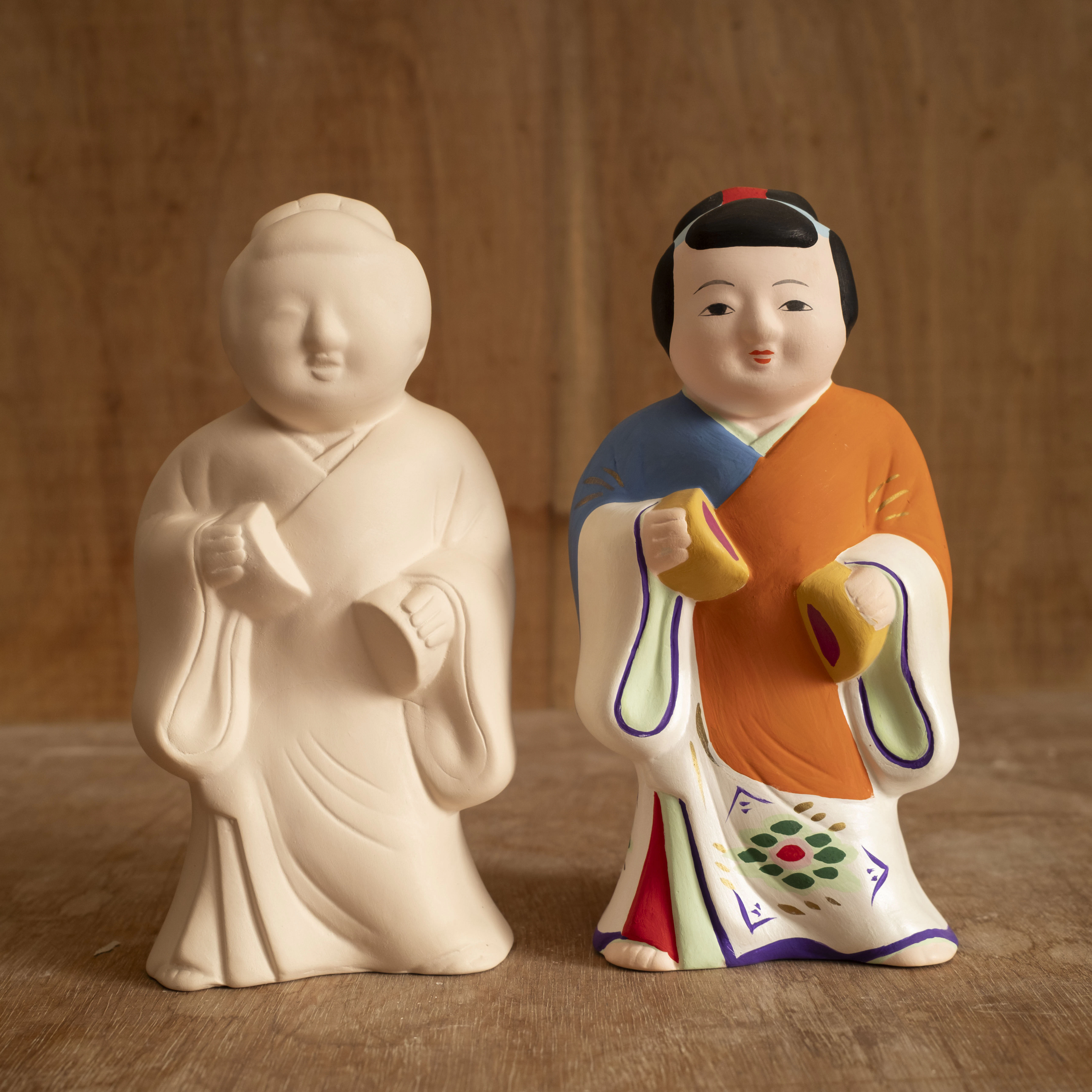
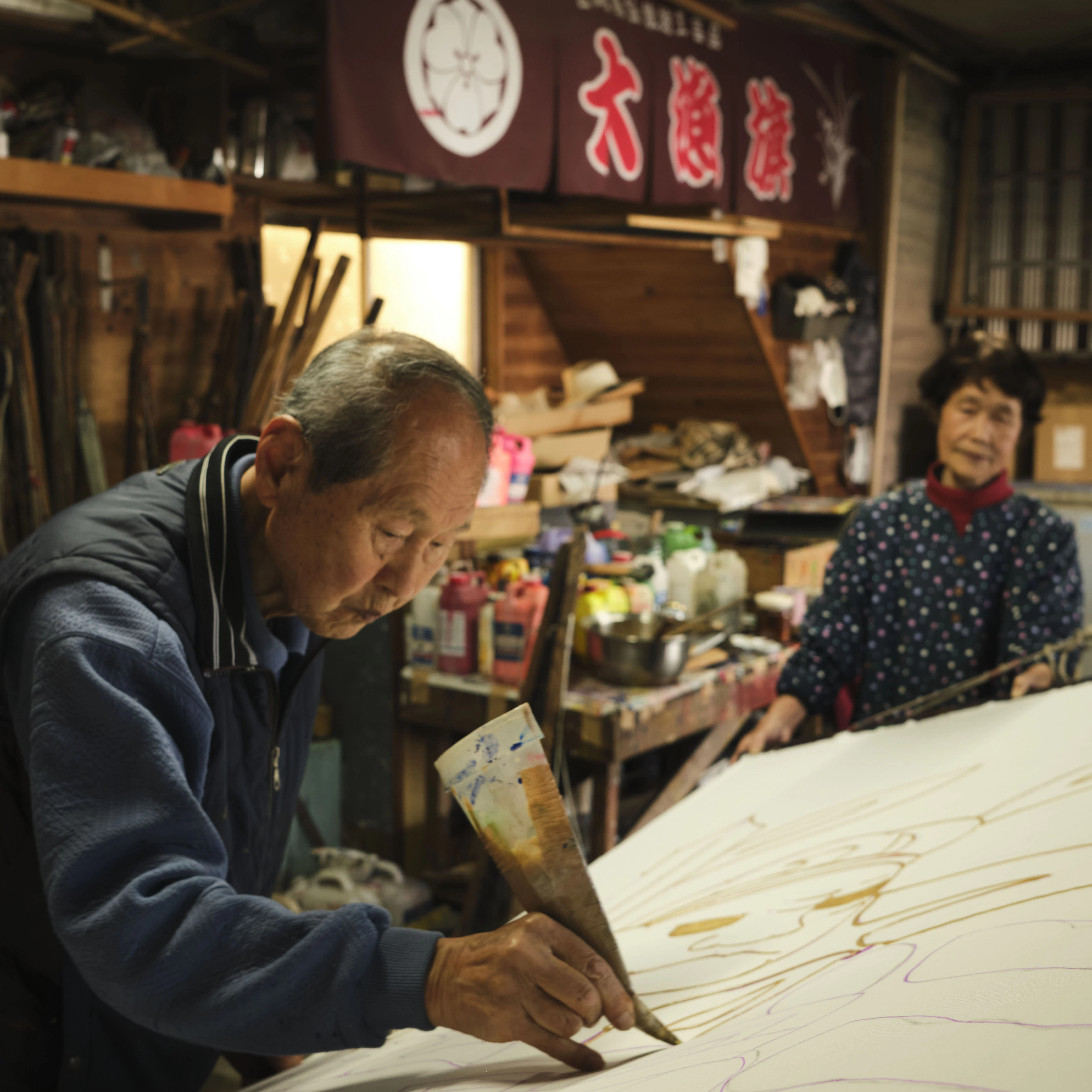
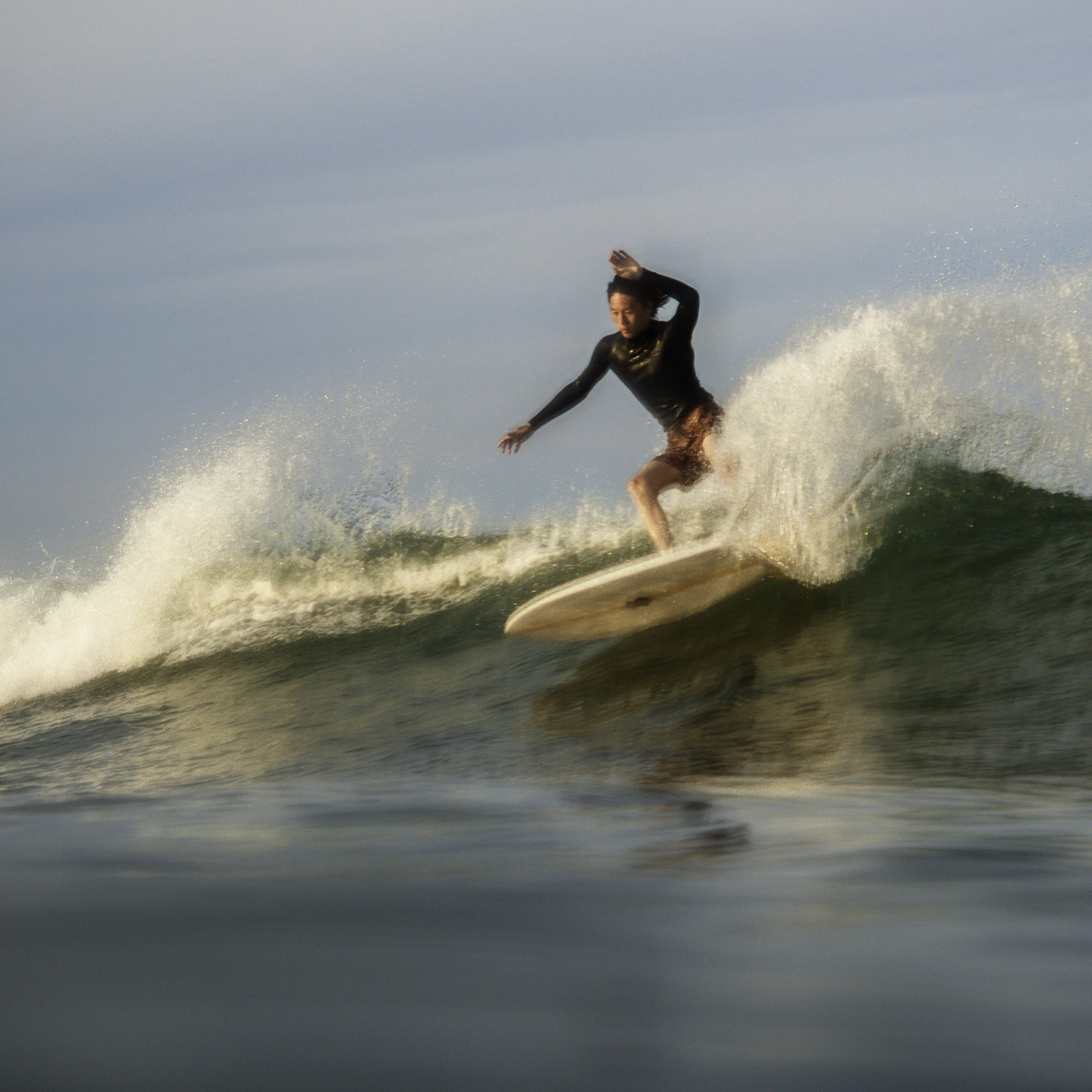
Miyazaki Prefecture in southeastern Kyushu is attracting a major wave of migration from other parts of Japan. We explored this sunny region's vibrant surfing culture, the small businesses and communities established by these newcomers, and the local design initiatives found in the historic castle town of Obi.