Kobo Taniike
Photography: Hinano Kimoto/Words: Kenji Hall
Daily-use pottery made from Ishigaki’s natural bounty
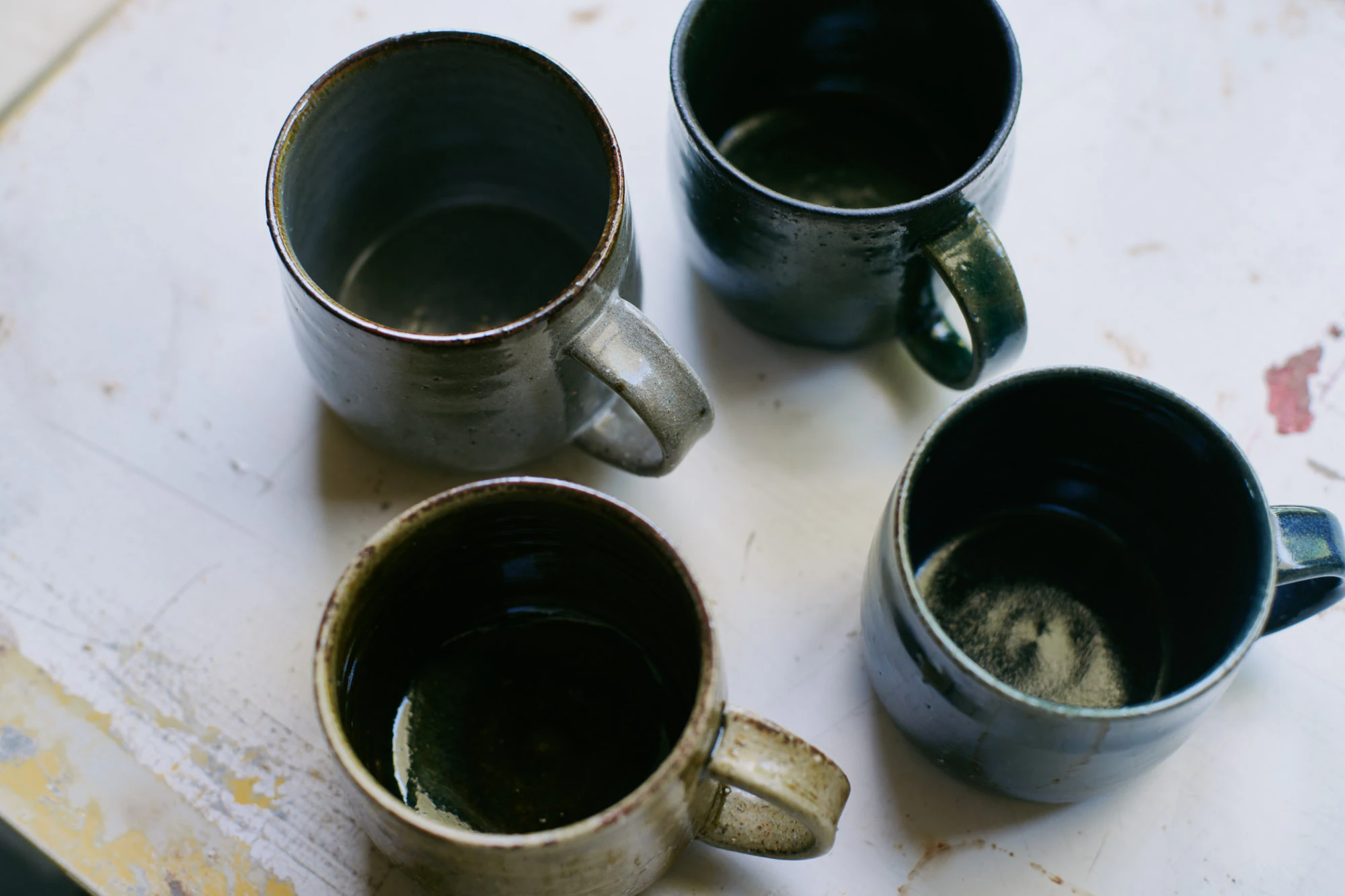
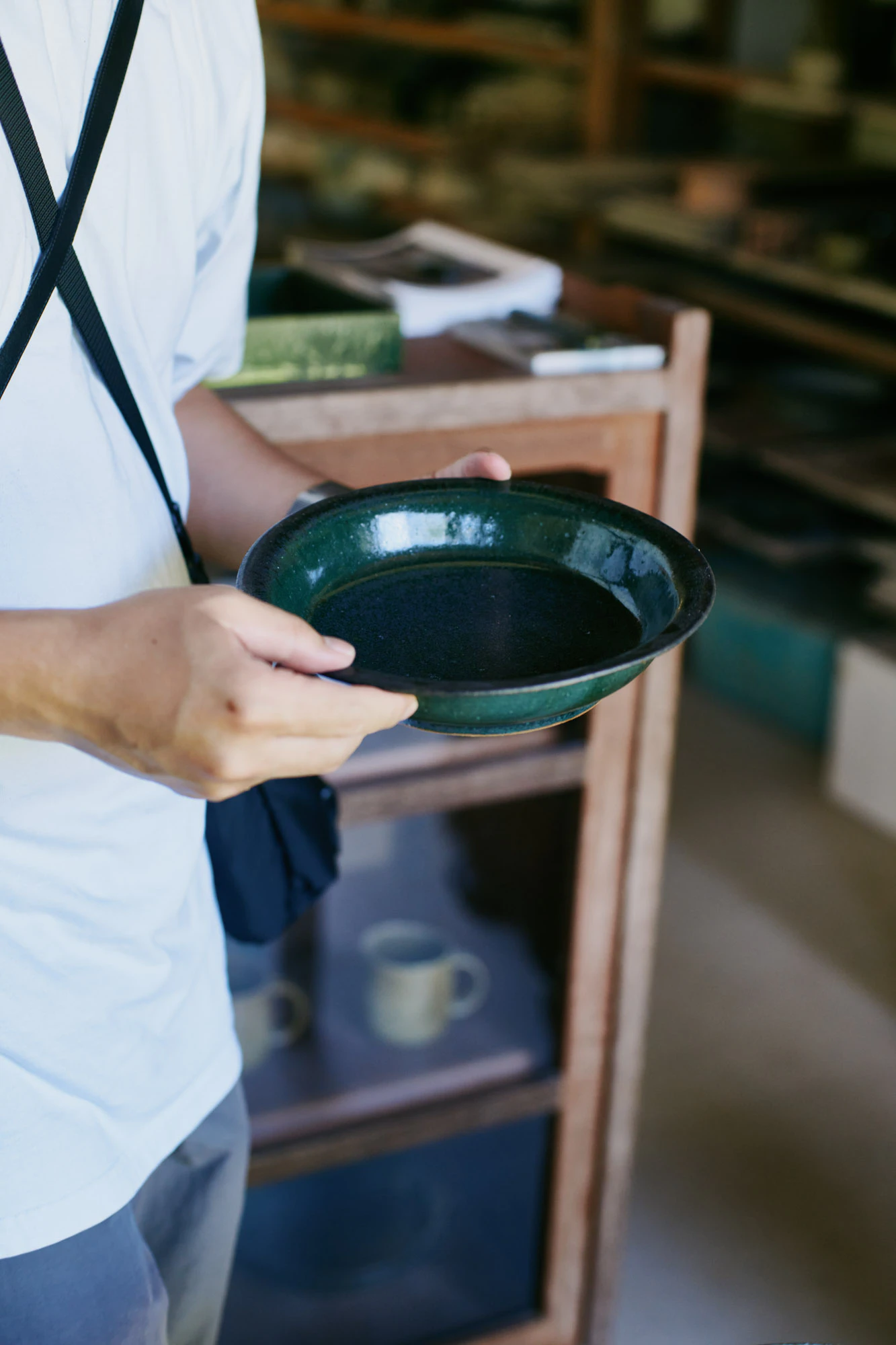
At Kōbō Taniike, a pottery studio on Ishigaki's western coast, a curious object sits on the main table: a giant pumice the size of a child-sized soccer ball. The black porous lava rock washed onto a beach not far from the studio after an undersea volcanic eruption in 2021. Local fishers were unsure of how to deal with the debris, but for Sachie Taniike, who founded Kōbō Taniike in 2008, it was an unexpected bounty. Before long, she was grinding lava into a fine powder and experimenting with it in glazes for cups, plates, mugs, and bowls. Taniike’s elegant yet rustic ceramics are made for everyday use, and they reflect the colors and materials of landscapes near her house. She makes her own clay, crushing and sifting dirt that she gathers from the mountains. She creates glazes in shades of emerald, cobalt, and grey-brown dun using the ashes of sugar cane, island wood, and Yaeyama palm leaves burned by neighboring businesses—and the occasional volcanic pumice that washes ashore.
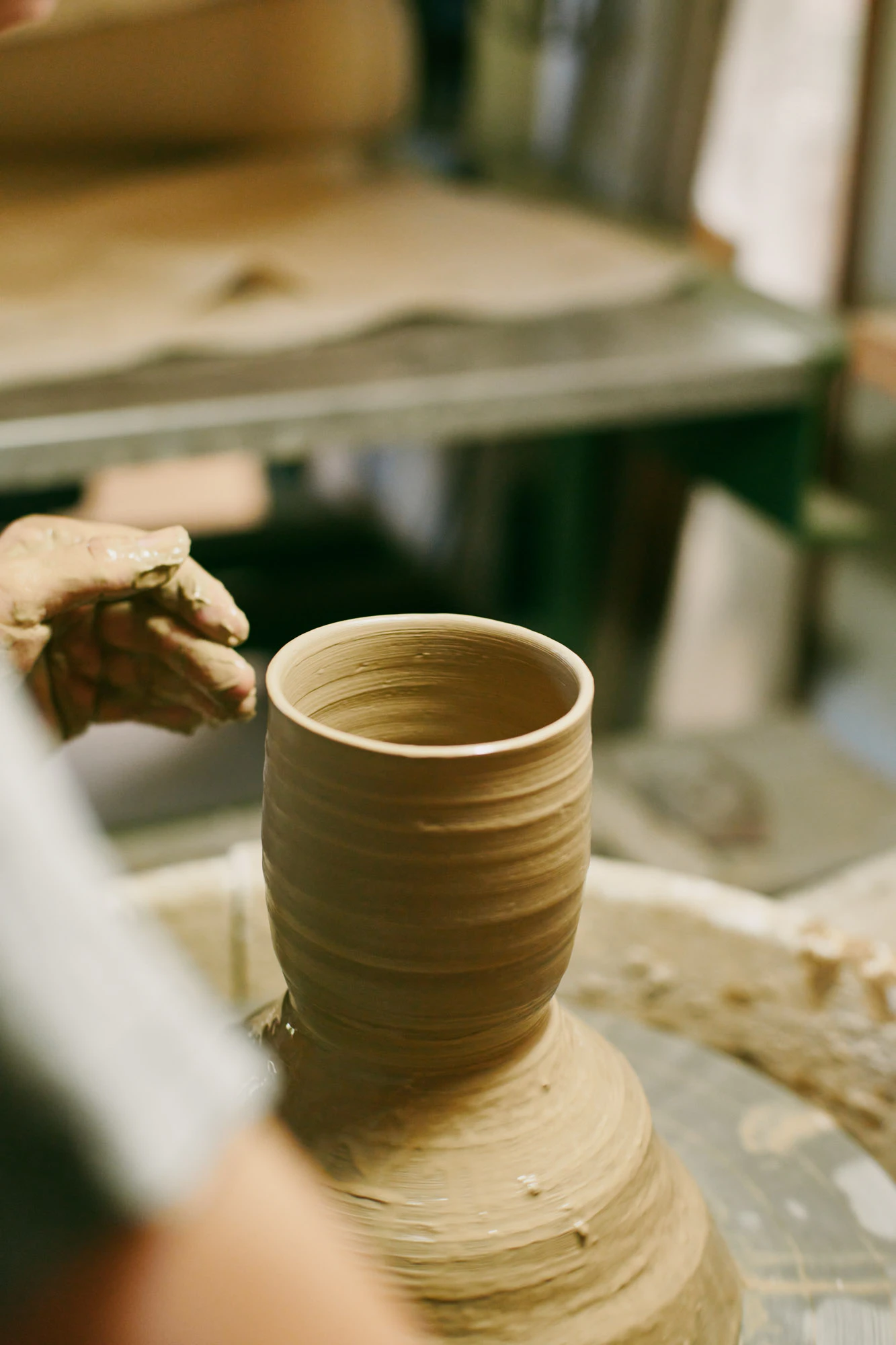
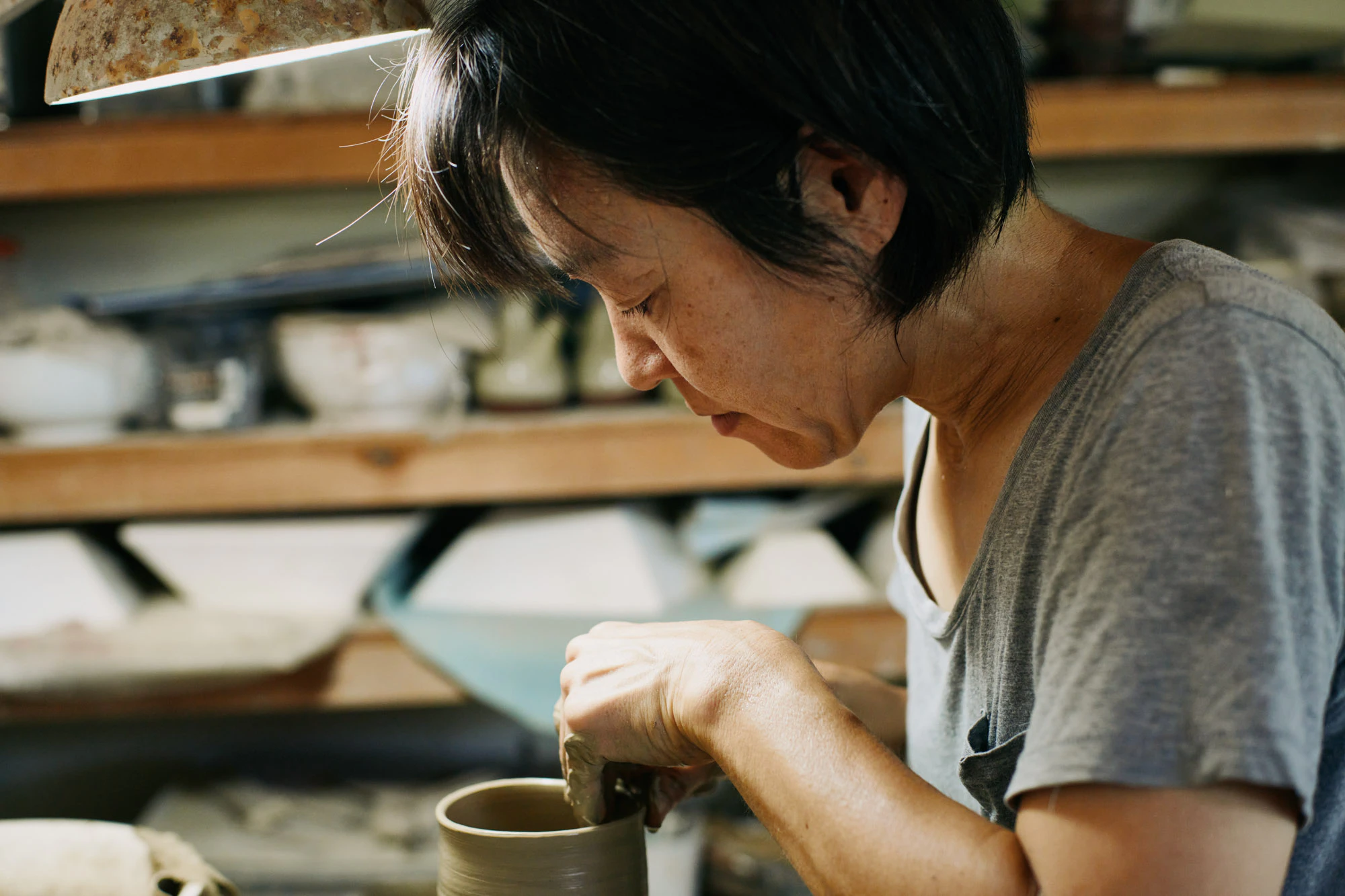
Born into a family of traditional kawara clay roof tile makers in Awajishima (Hyogo prefecture), Taniike spent her childhood around artisans and kilns. But it wasn’t until after she moved to Ishigaki in 2000 and began training at a local kiln that she decided to become a potter. Her current studio, attached to her house that sits among palm trees and coral hibiscus bushes, is one of around two dozen independent kilns scattered around Ishigaki Island. Okinawa’s pottery traditions have been traced back 6,600 years, but the Yaeyama-yaki and Panari-yaki styles developed on Ishigaki and the surrounding islands died out long ago. “A lot of potters here came from somewhere else,” says Taniike. “The lack of an existing traditional style allows us to freely experiment and create what we like.” Every new shape or glaze that she creates involves months of trial and error. Even after the shaping, drying, bisque firing (at 800˚C), glazing, and glaze-firing (at 1,230˚C), Taniike still considers her pieces incomplete. “Everything that I make is unfinished until someone fills it with food.”
NEW
SETOUCHI