How Taketomi Protected Its Architectural Heritage
Words: Sam Holden/Photography: Tetsuo Kashiwada
In a country prone to destroying old buildings, Taketomi has become a major tourist attraction thanks to a sense of aesthetic unity
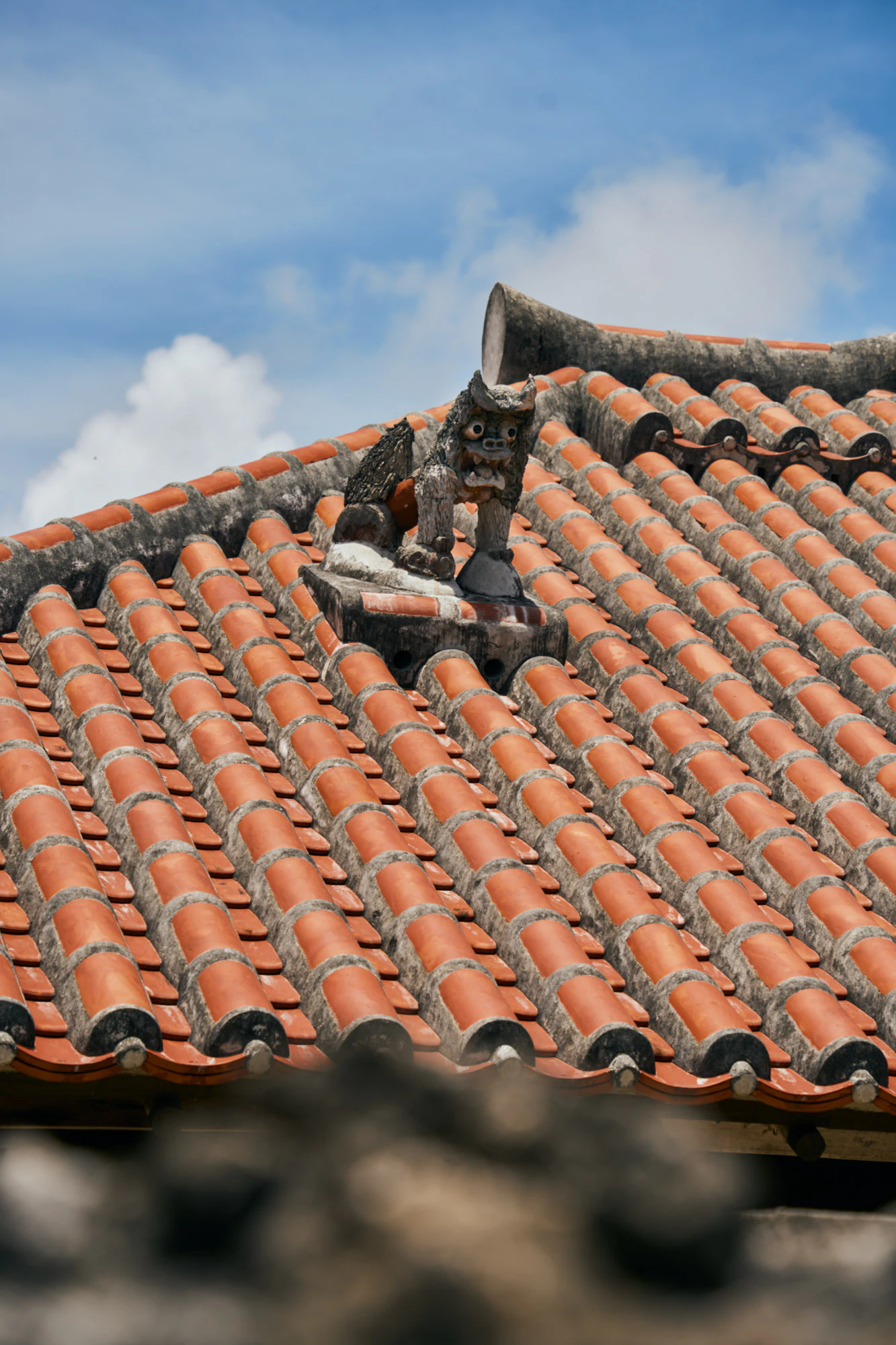
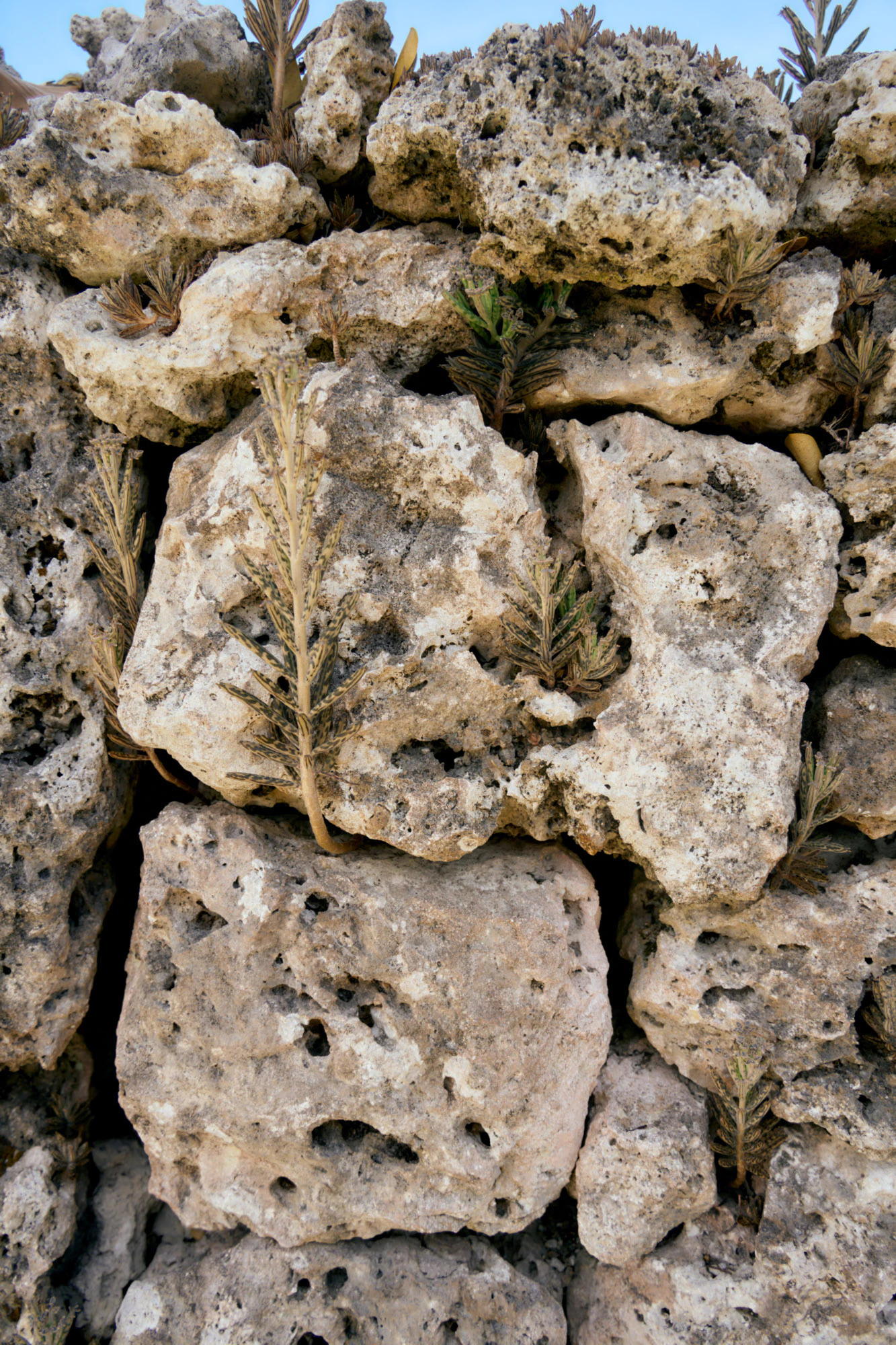
Japan has become so well-known for its chaotic, scrap-and-build approach to urban planning that there is a bit of cultural shock when arriving on Taketomi. This saucer-shaped island of just 320 residents is one of the few places in Japan that has managed to enforce a uniform architectural style. Almost all of the buildings at the center of the town are one-story with traditional red-tile roofs, crowned by playful shīsā lion-dogs intended to ward off evil spirits. Each building is surrounded by a wall of uneven stacked coral stones and swept paths of white sand.
The Taketomi of 2025 looks nearly identical to the Taketomi of an earlier age. After visiting Taketomi in late 1959, artist Tarō Okamoto wrote, “Everything is beautiful. Not a self-conscious beauty, nor beauty for beauty’s sake. It is just above the line of bare necessity—that which emerges through repetition, from nothing more and nothing less than the natural course of things.” The sentiment still rings true today.

How did Taketomi achieve such a rare feat? The story begins in the distant past, when the “line of bare necessity” on this tiny, resource-poor coral atoll ran through Nishi-sanbashi, the pier on the west side of the island that juts out like an arrow into the azure waters towards the peaks of Iriomote. The pier is now popular as a place to watch the sunset and a backdrop for tourist photos, but for more than 300 years, islanders used it to launch their sabani boats towards Iriomote. There they toiled as a community to grow rice—not for subsistence, but to pay the central Okinawan government’s harsh tax imposed on the Yaeyama Islands. The islanders applied this communal approach not just to agriculture but to the construction and maintenance of buildings, as well. They would cut down trees on Iriomote and tow the logs back to Taketomi by boat. They builtcoral stone walls known as gukku around each dwelling to protect it from typhoons. This lives on today in what islanders call their “utsugumi spirit” of mutual cooperation.
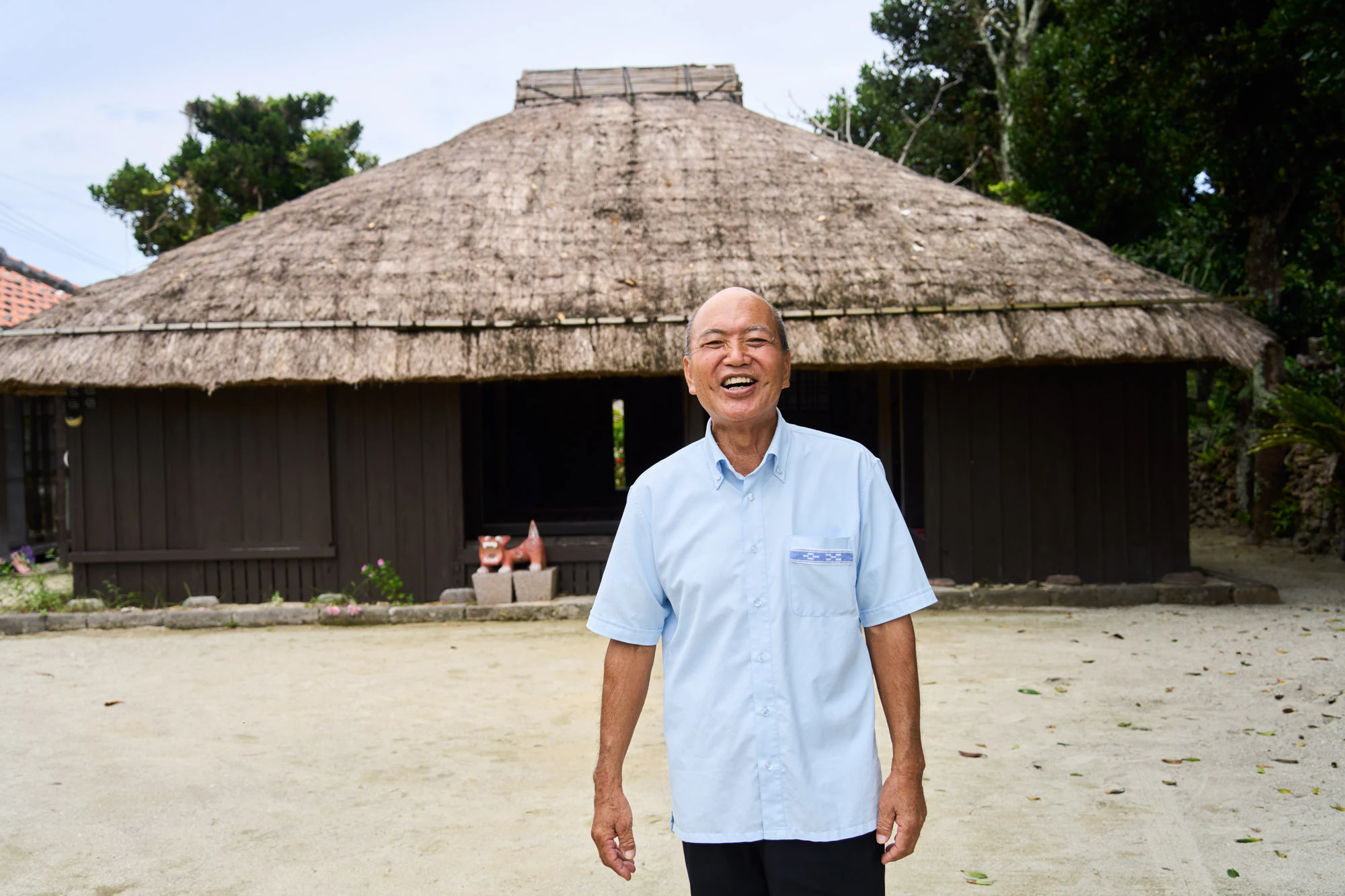
Atsushi Uesedo, a community leader who now serves as chairperson of the Taketomijima Regional Foundation, says his father’s generation was the last to sail regularly to Iriomote and practice communal labor. Uesedo’s childhood home is now the only remaining building on the island with a thatched roof. “Early one morning I was asleep in the back room, and dirt started raining on my face,” he recalls. The re-thatching had begun without a wake-up call: “Men pulled the thatch off the roof and carried in new materials. The women made food for the whole group. They had to finish by evening in case it suddenly rained.”
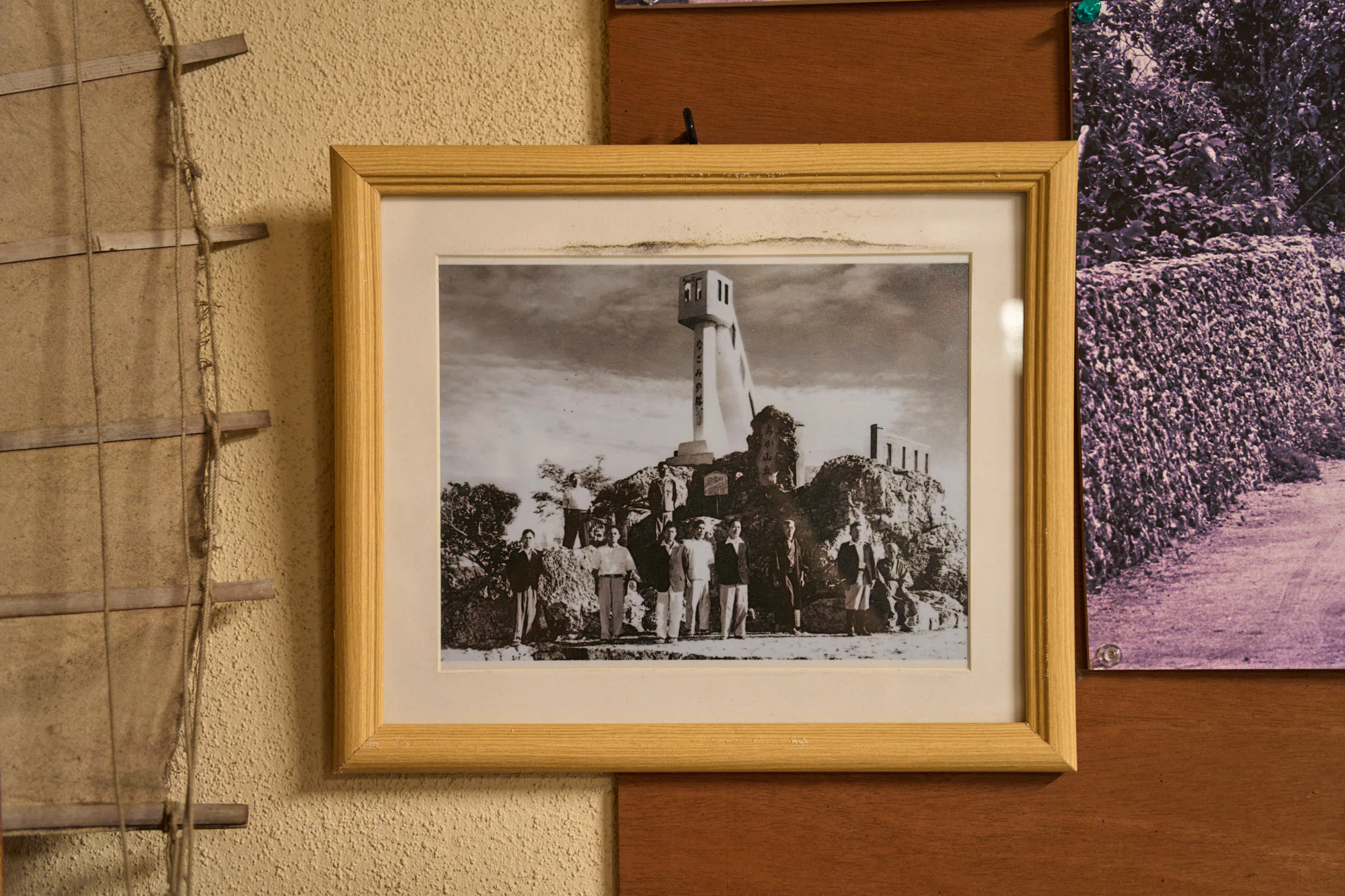
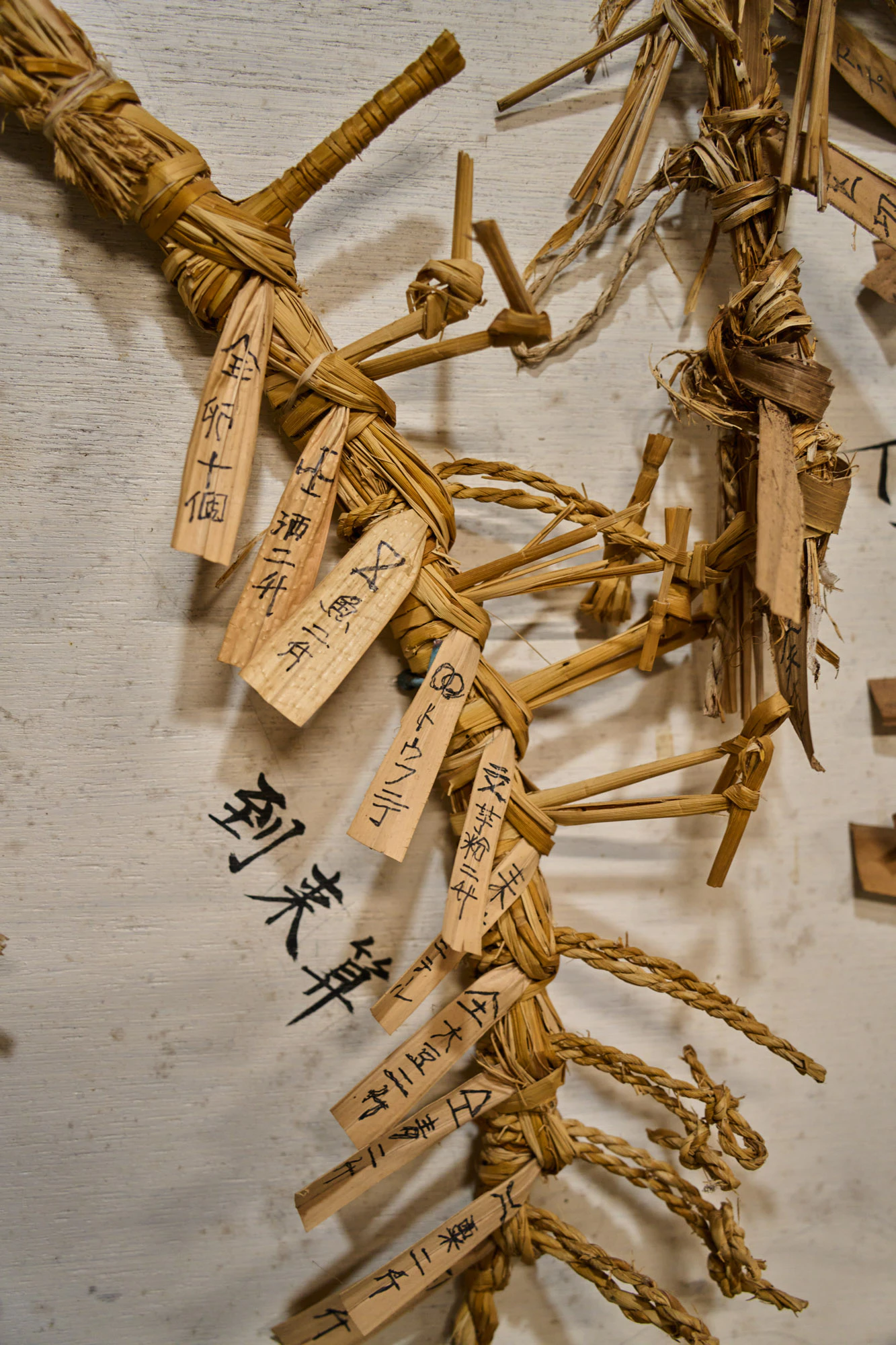
When the United States returned Okinawa to Japan in 1972, the monetary economy arrived on Taketomi. This enticed drought-stricken farmers to sell off their land to outside speculators, sometimes for pennies per square meter. Outsiders bought up around a quarter of the island—a situation that Uesedo’s father and others saw as an existential threat. “The community leaders put up signs and went around telling everyone that nothing good would come from selling their property,” says Tatsujin Uesedo, who now runs the excellent Kihoin Shushukan folk museum. (Among the hundreds of artifacts on display are ledgers of knotted straw ropes once used to keep track of each household’s contributions to communal projects.) While the activists fought to prevent the development of resorts on the coast of Taketomi, they also conducted a survey of the settlement. This was when old wooden houses with thatched or red-tile roofs were beginning to be replaced with modern concrete structures. They decided a preservation effort would be necessary. Building a town-wide consensus for this plan took more than a decade. Insults—and a few stones—were hurled. But eventually, islanders came to embrace the central tenets of a “Taketomi Charter”: don’t sell the land, don’t destroy the houses, and uphold traditions.

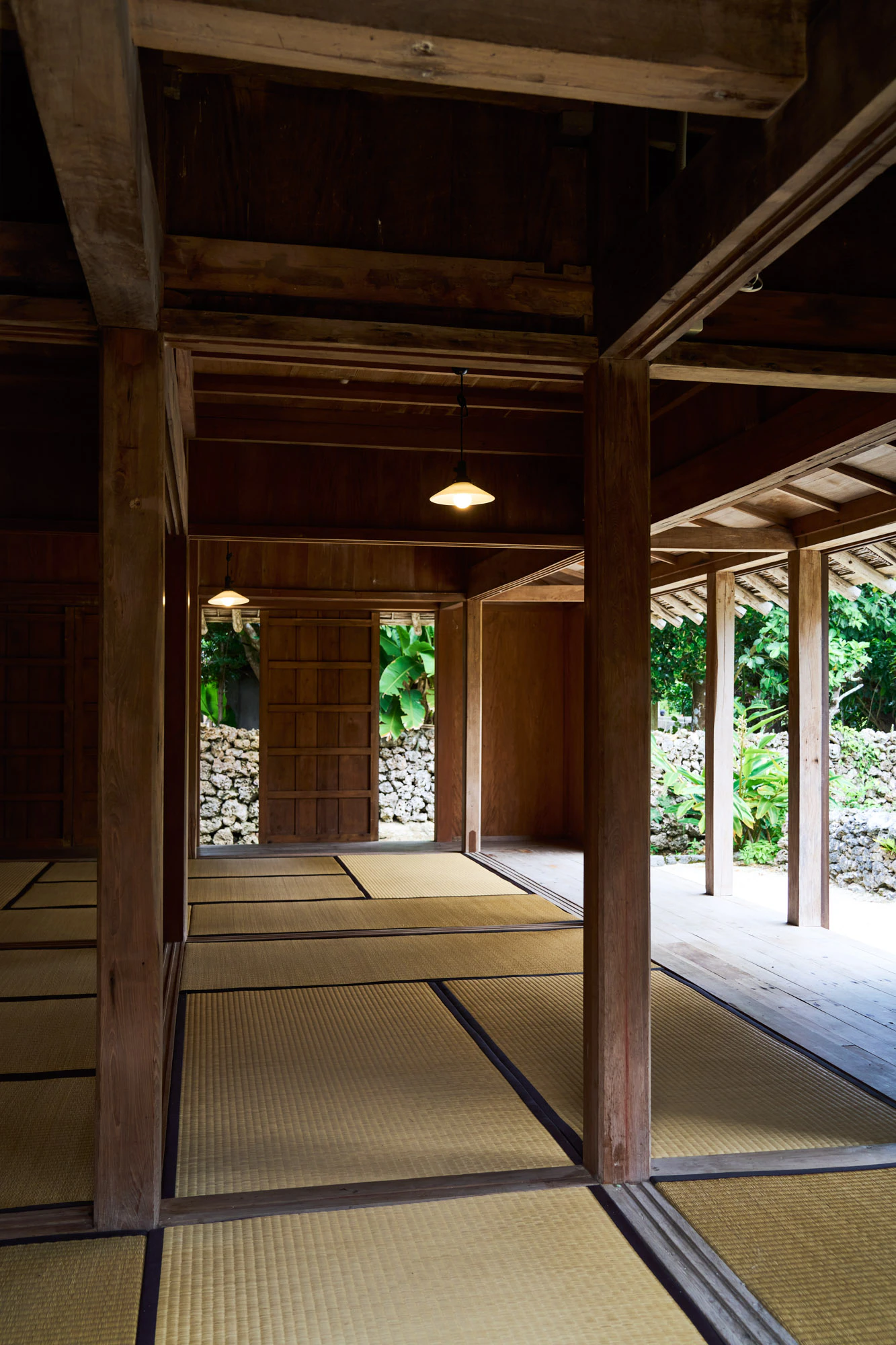
In 1987, the town earned its coveted status as a Nationally Designated Historic Preservation District, which established design guidelines for new structures, banned concrete and multi-story construction, and unlocked grants for repair of historic buildings. Most residents today now enjoy modern amenities, even inside homes with traditional exteriors. (To get a sense of a traditional dwelling, visit the well-preserved Former Yonaguni Family Residence with its airy, open layout.) Motor vehicles are generally limited to the new road around the settlement, keeping the sandy paths open for pedestrians, bicycles, and water buffalo-pulled carts carrying tourists.
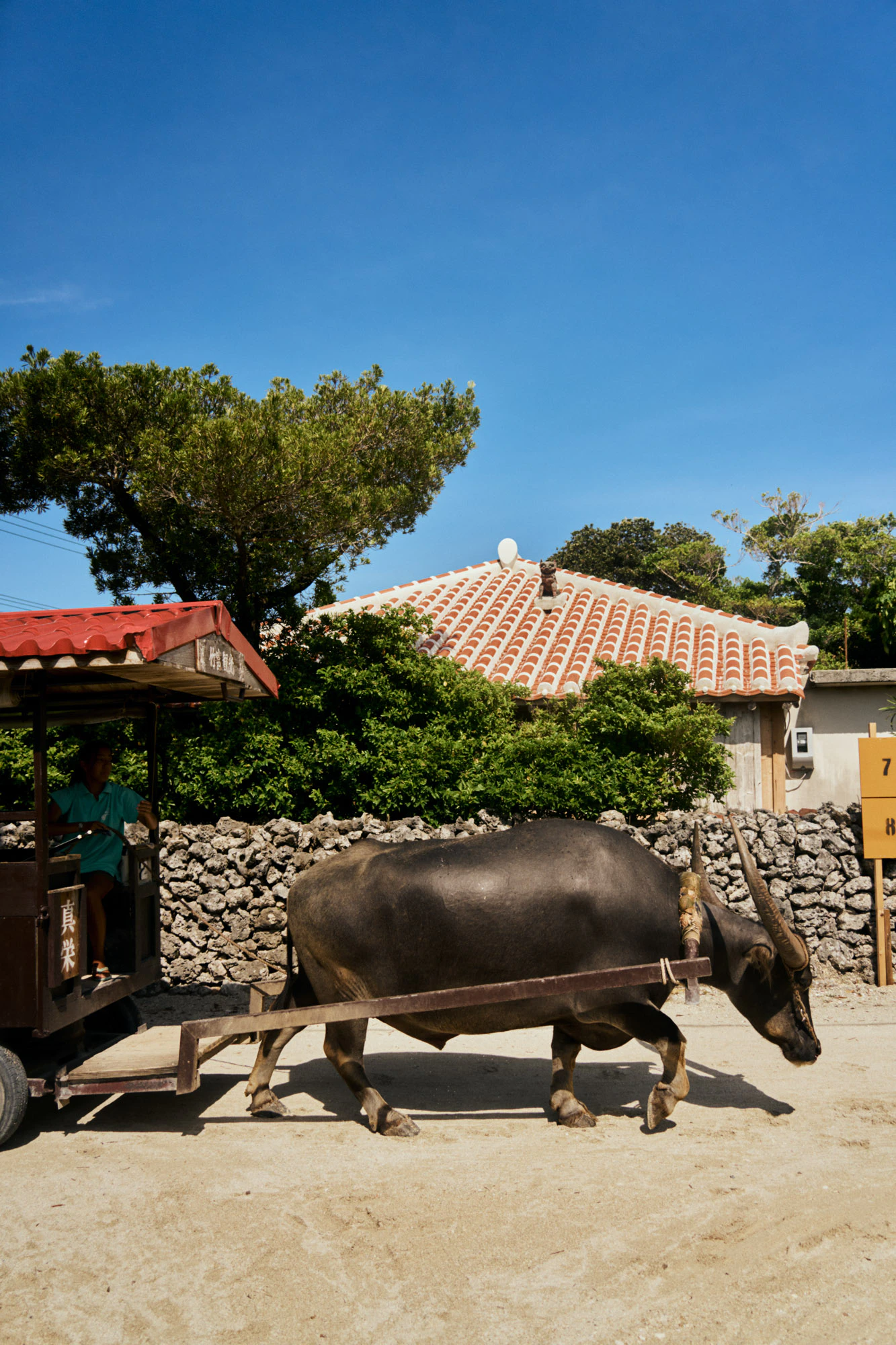
The utsugumi spirit remains central to the island’s self-government. Besides sweeping the town’s streets each morning, the community works together to clean the entire island twice per year, when it takes a complete census of residents, animals, and property. The half-million annual tourists are now encouraged to cooperate with the island’s preserva- tion by paying a voluntary ¥300 entry fee. Yet Taketomi’s commitment to preservation runs deeper than the need to maintain its tourism industry. “Most people here will say the same thing: the thing we have to protect is our culture,” says Taku Asai of the Taketomijima Regional Foundation. “That means carrying on the festivals, and passing down our language. A townscape is a reflection of a way of thinking.”
New
MIYAZAKI

Miyazaki Prefecture in southeastern Kyushu is attracting a major wave of migration from other parts of Japan. We explored this sunny region's vibrant surfing culture, the small businesses and communities established by these newcomers, and the local design initiatives found in the historic castle town of Obi.