Ishigaki Food Guide
Photography: Hinano Kimoto / Ichi Nakamura
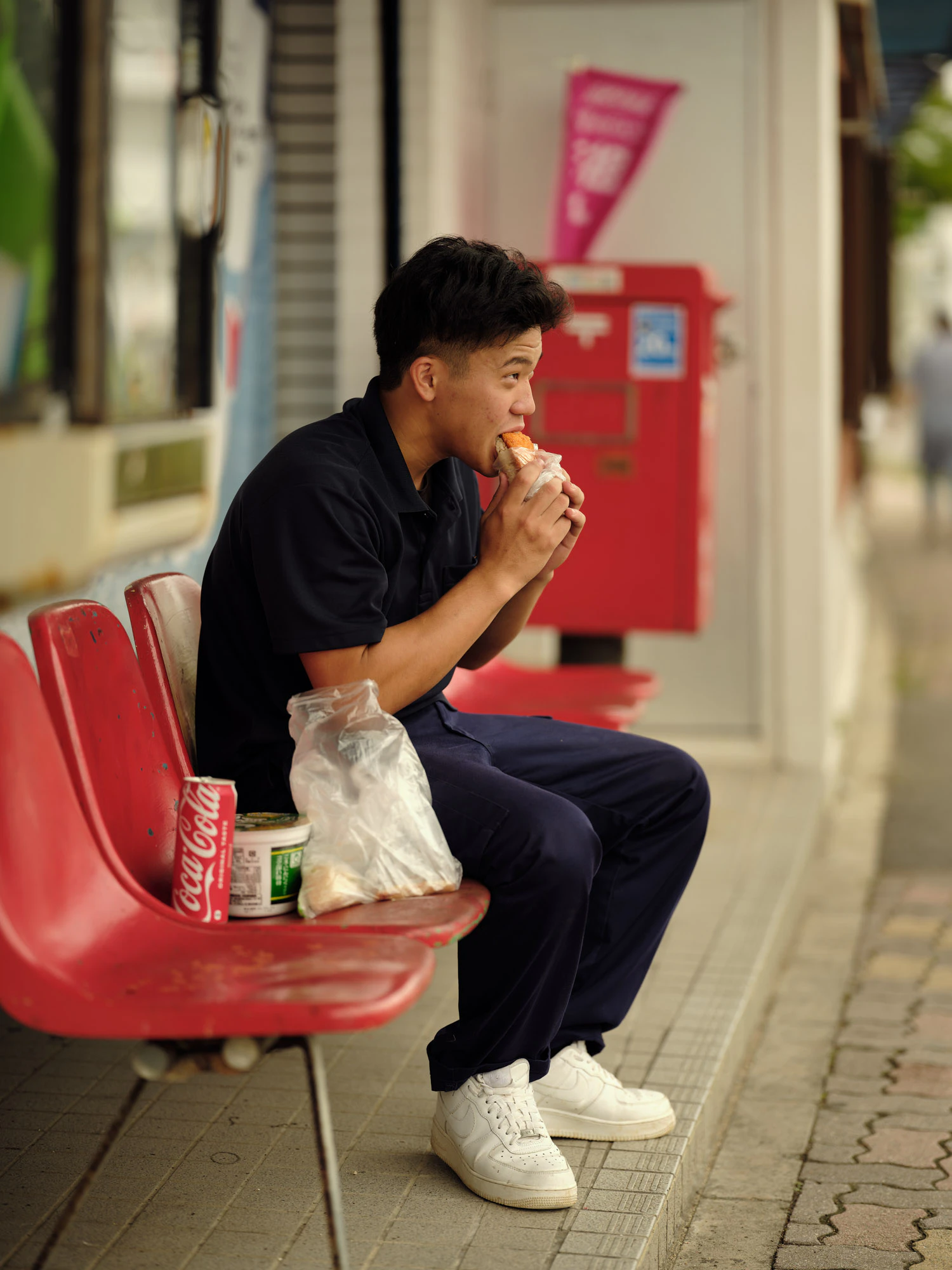
Onisasa at Chinen Shōkai
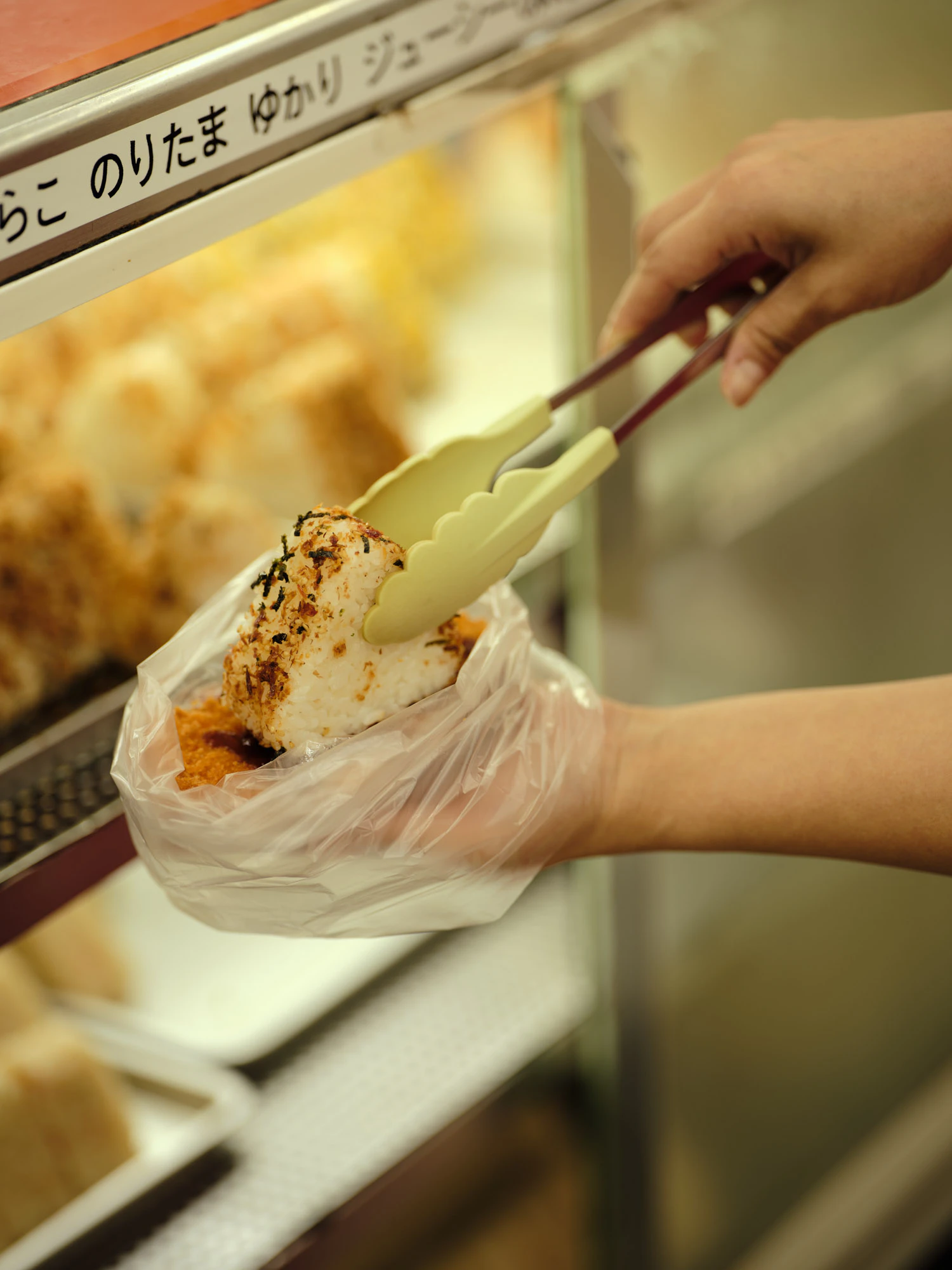
Onisasa, a portmanteau of the Japanese words for rice ball (onigiri) and fried chicken tenders (sasami), has recently emerged as an iconic Ishigaki snack. The local grocery/hardware store Chinen Shōkai invented the combination, but its owner Hideko Chinen says that it was famished teenagers from nearby high school who first mashed together pre-made items from the store's heated display case and came up with the catchy name. And now Chinen’s sons have created an Onisasa cartoon mascot to kickstart an IP business as well. Onisasa instructions: With a small plastic bag covering your hand like a glove, reach into the heated display case and grab a fried chicken tender and an onigiri. Add your choice of sauce—mayonnaise, ketchup, soy sauce or “delicious sauce”—between the onigiri and chicken, and press together.
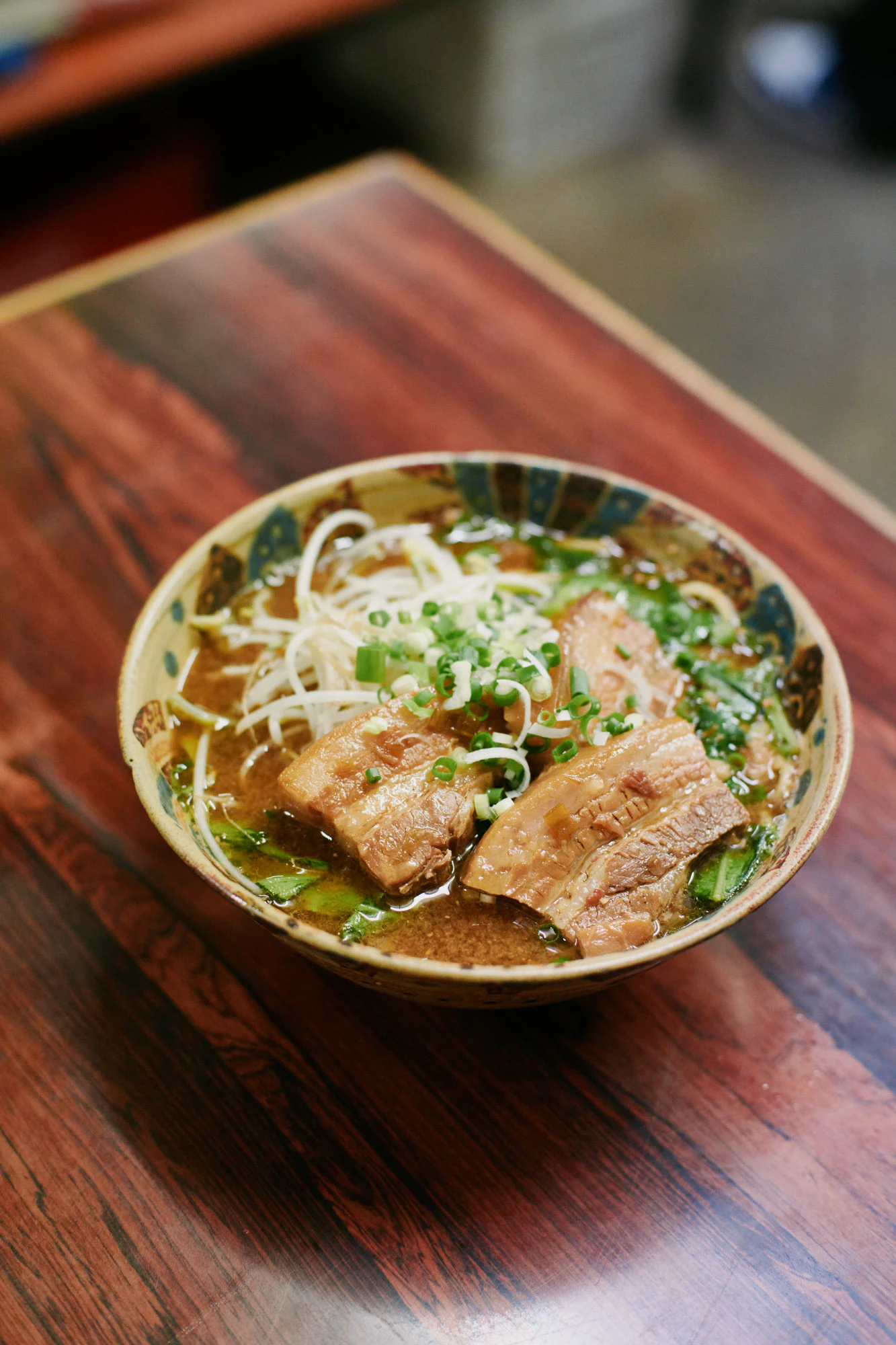
Yaeyama Soba at Kimi Shokudo
Yaeyama soba is a hearty, comforting dish using thin, tubular noodles, cut strips of pork, green onions, and kamaboko (fish cake) all floating in a broth made from pork bones, katsuobushi (shaved, cured skipjack tuna), and konbu kelp. At Kimi Shokudo, owner-chef Masaki Seimori adds a bit of homemade red miso, a recipe that his grandmother Kimi invented as a hangover remedy in the early 1970s when she opened the restaurant. High school kids tend to order the most popular dish: the usugiri gyūniku mori soba, topped with thin-cut beef. Meanwhile the “special soba” has thick pieces of pork.
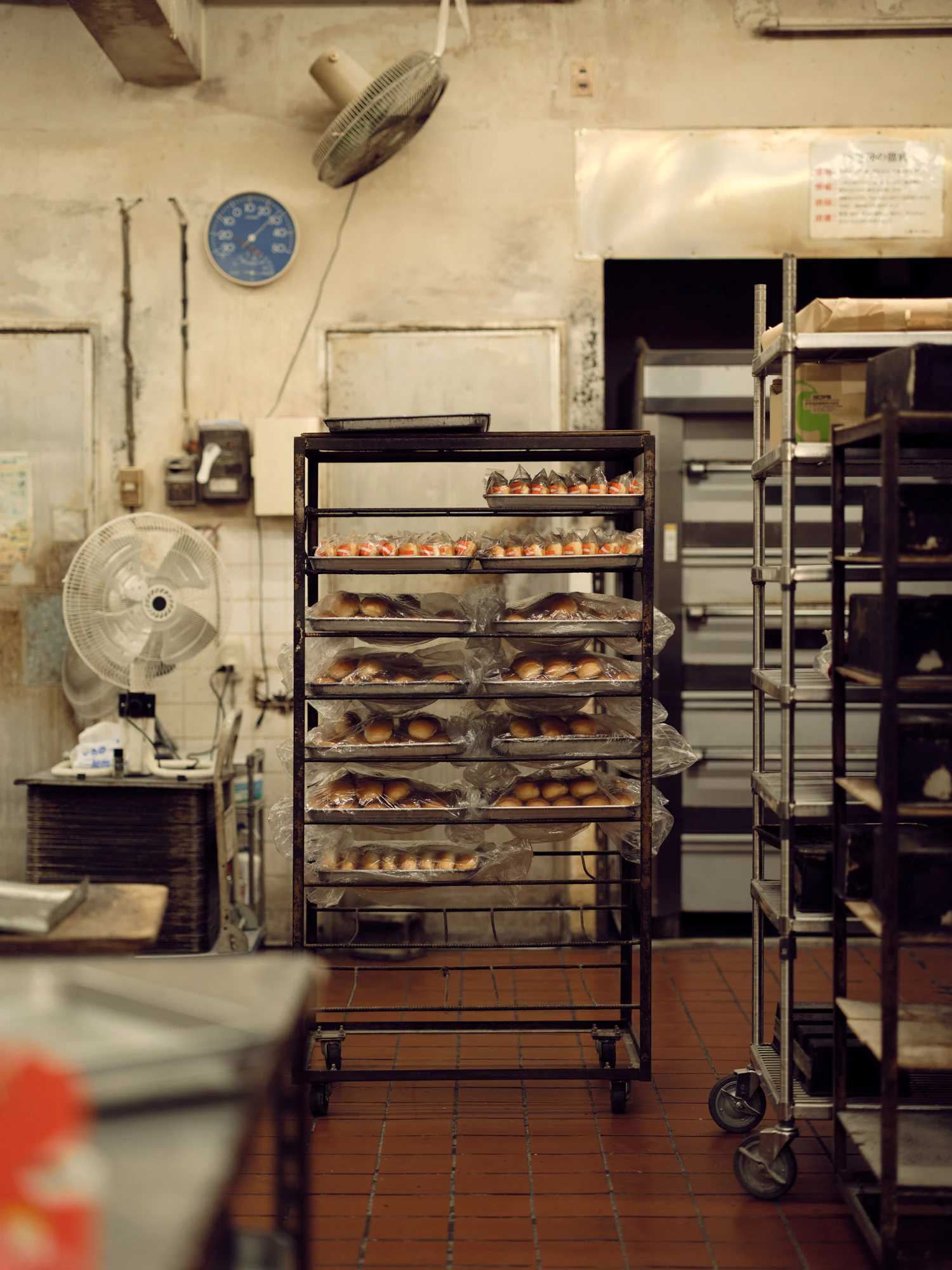
Uehara Bakery Butter Roll
Founded in 1952, Uehara Bakery is the oldest bakery on Ishigaki Island. It is now run by the second-generation owner, Hiroyasu Uehara. About thirty varieties of bread are always on display, but the most popular is the “butter roll,” a long, fluffy bun generously filled with sweet butter cream. Wrapped in its nostalgic orange package, it’s a familiar treat at school events and a cherished taste of childhood for those who grew up on Ishigaki.

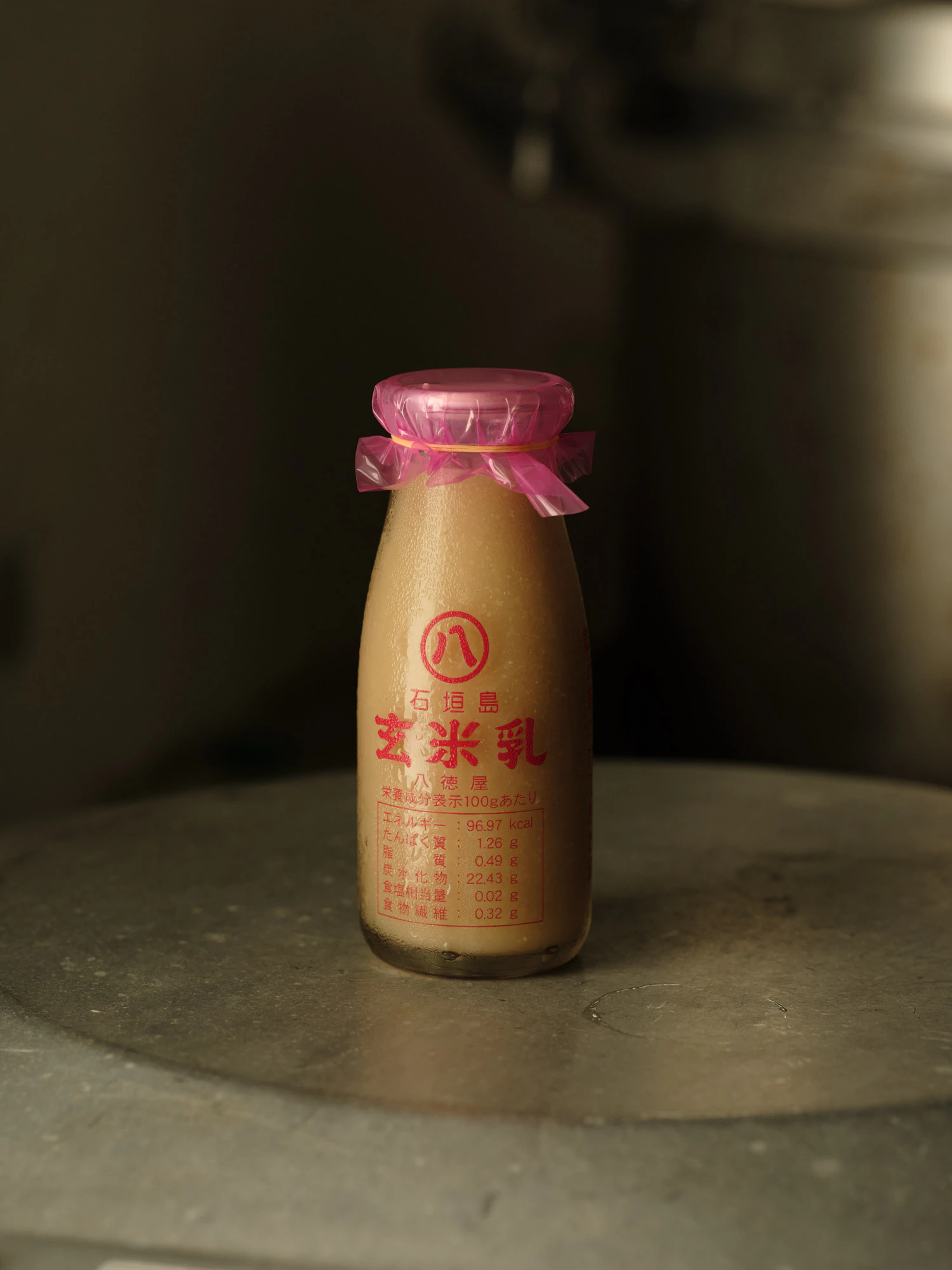
Genmai-nyu of Hachitoku-ya
Genmai-nyu is a viscous yet refreshing brown rice drink that has become a local favorite. In 2012, the beverage’s producer took out an ad in a newspaper to find a successor, and Ishigaki-native Mitsuru Tokuhiga raised his hand to take over the business. Tokuhiga only uses Okinawan-grown rice and sugar, and he personally checks the sweetness of every batch before bottling. Some bottles come with a special aluminum cap to allow for a longer expiration date.
Sata-andagi at Sayoko-no-mise
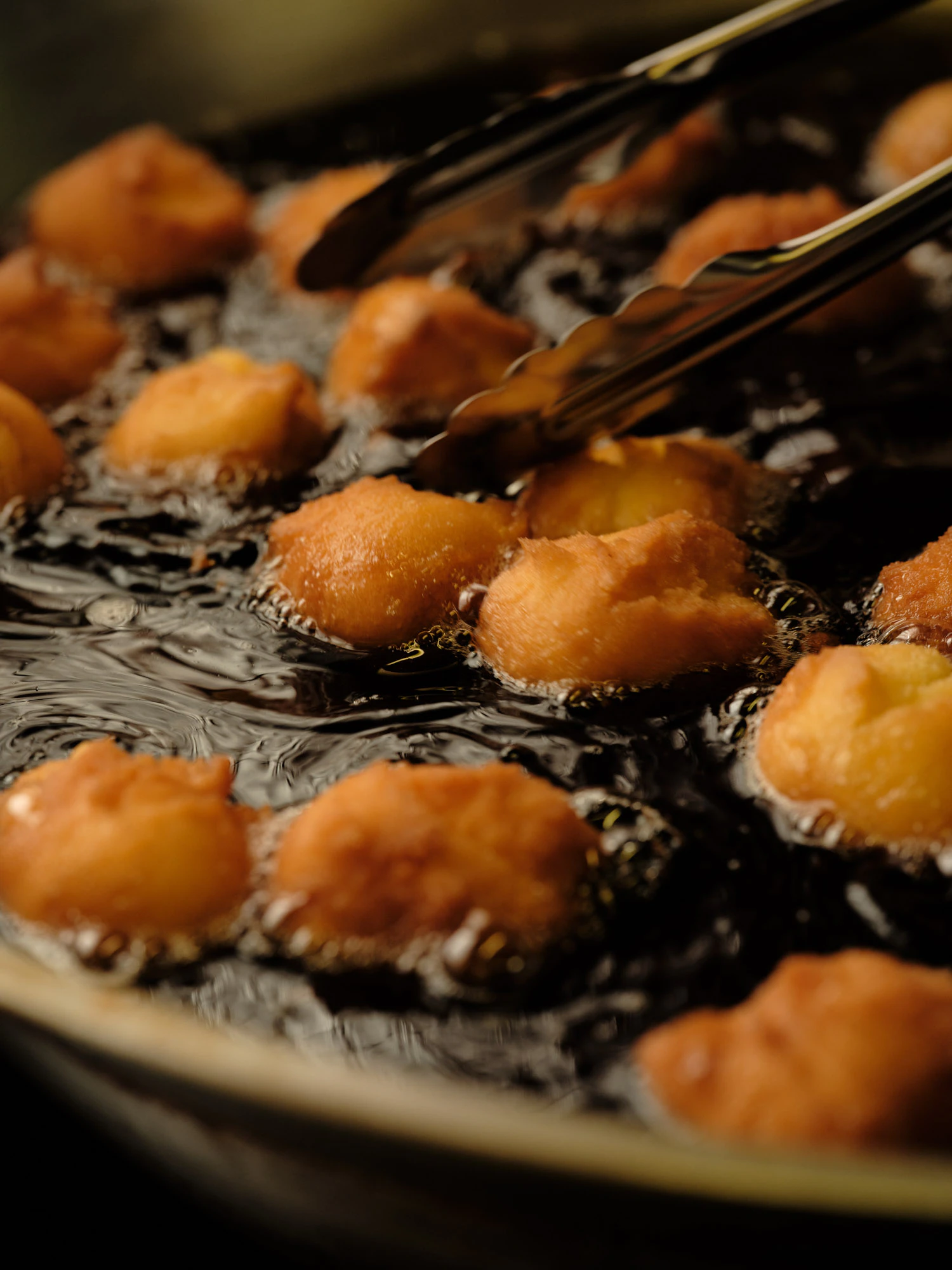
At Sayoko-no-mise, the sata-andagi donut balls come out very hot, perfectly puffy, and shaped like a blooming tulip. They’re an eggier version of these doughnut-like sweets, which Okinawans have eaten for centuries. Owner Sayoko Higaonna opened her shop in 2000, and now she makes upwards of 1,000 sata-andagi daily: plain, as well as flavored with sweet potato, banana, mugwort, or dark brown sugar. They usually run out early in the afternoon.
PIZZA DA TUTTI
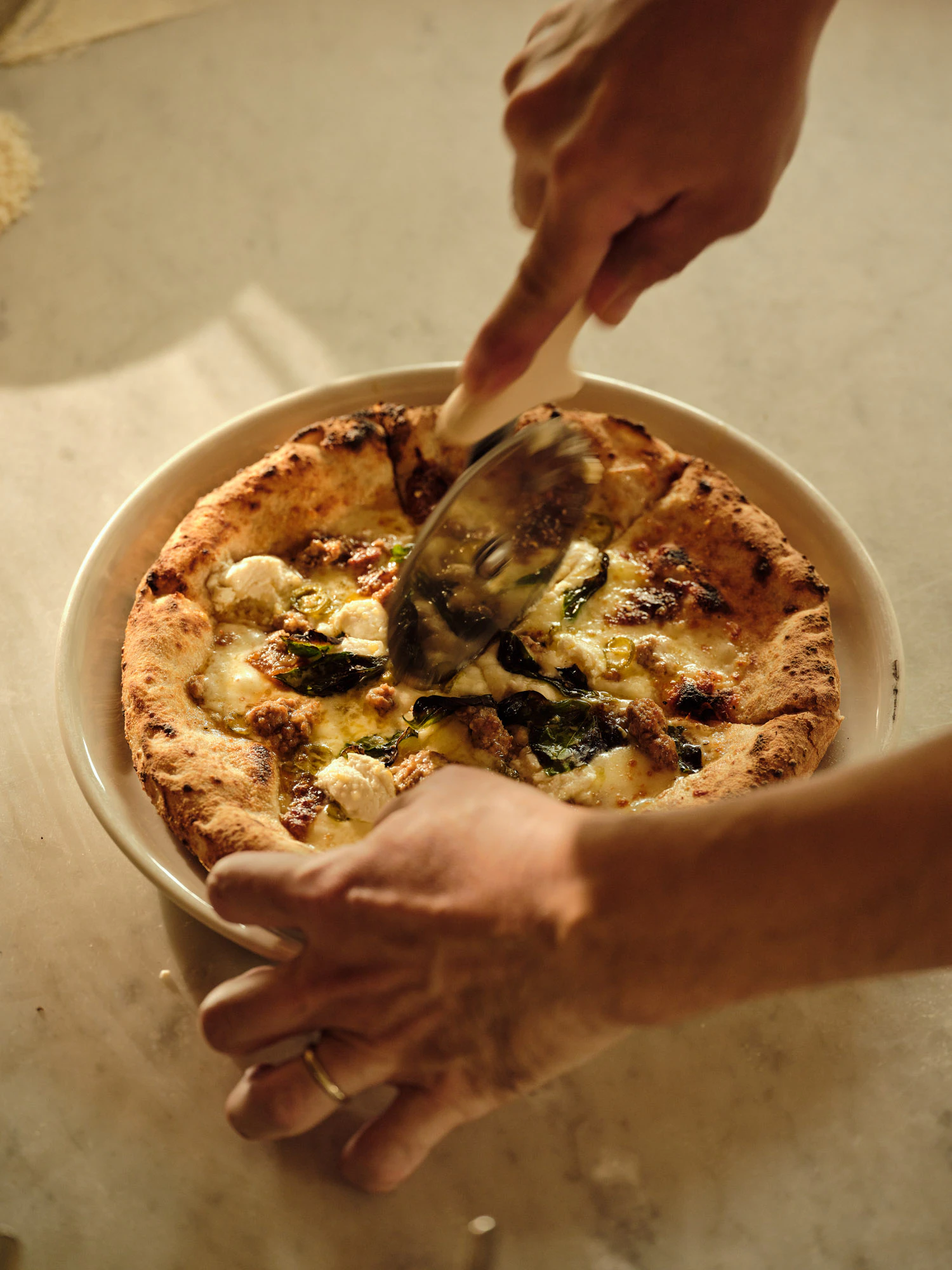
Tomoki Tanji trained in Tokyo and Italy, and now he runs this Ishigaki pizzeria with his wife Yuko. Inside a traditional house that feels like a hybrid of Yaeyama and Naples, the Tanjis serve up classic margarita as well as pizza made with the island’s abura miso paste. Guests can also get a window into the island's cycle of nature, as they use wood from culling trees on the island as firewood, and they give ashes from pizza bakes to local ceramic artists for use in glazes.
rokusyo’s French Cuisine with Local Ingredients
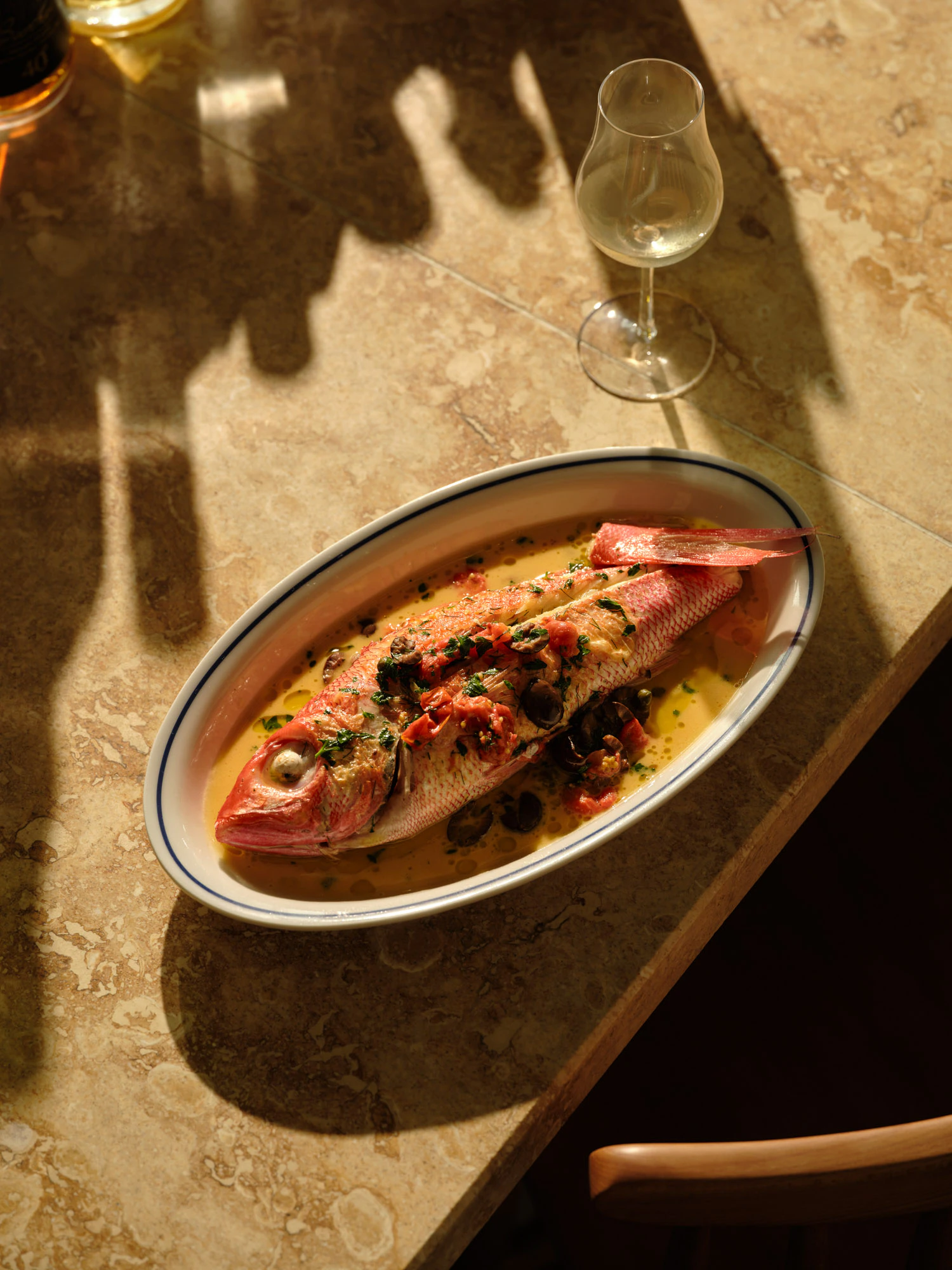
This bistro is well-known on the island as the place to go for special occasions. It’s about a ten-minute walk from the 730 monument intersection downtown. Owner Keigo Kurashima creates sophisticated dishes, such as a variety of charcuterie and red sea bream simmered in white wine, which elevate local ingredients with his French techniques. The relaxed atmosphere allows for quiet conversation while sipping natural wine.
NEW
SETOUCHI