THE CURIOUS CASE OF SADOHARA DOLLS
Made by a ninth-generation artisan
Photography: Tetsuo Kashiwada/Words: Tomoki Nakamuta
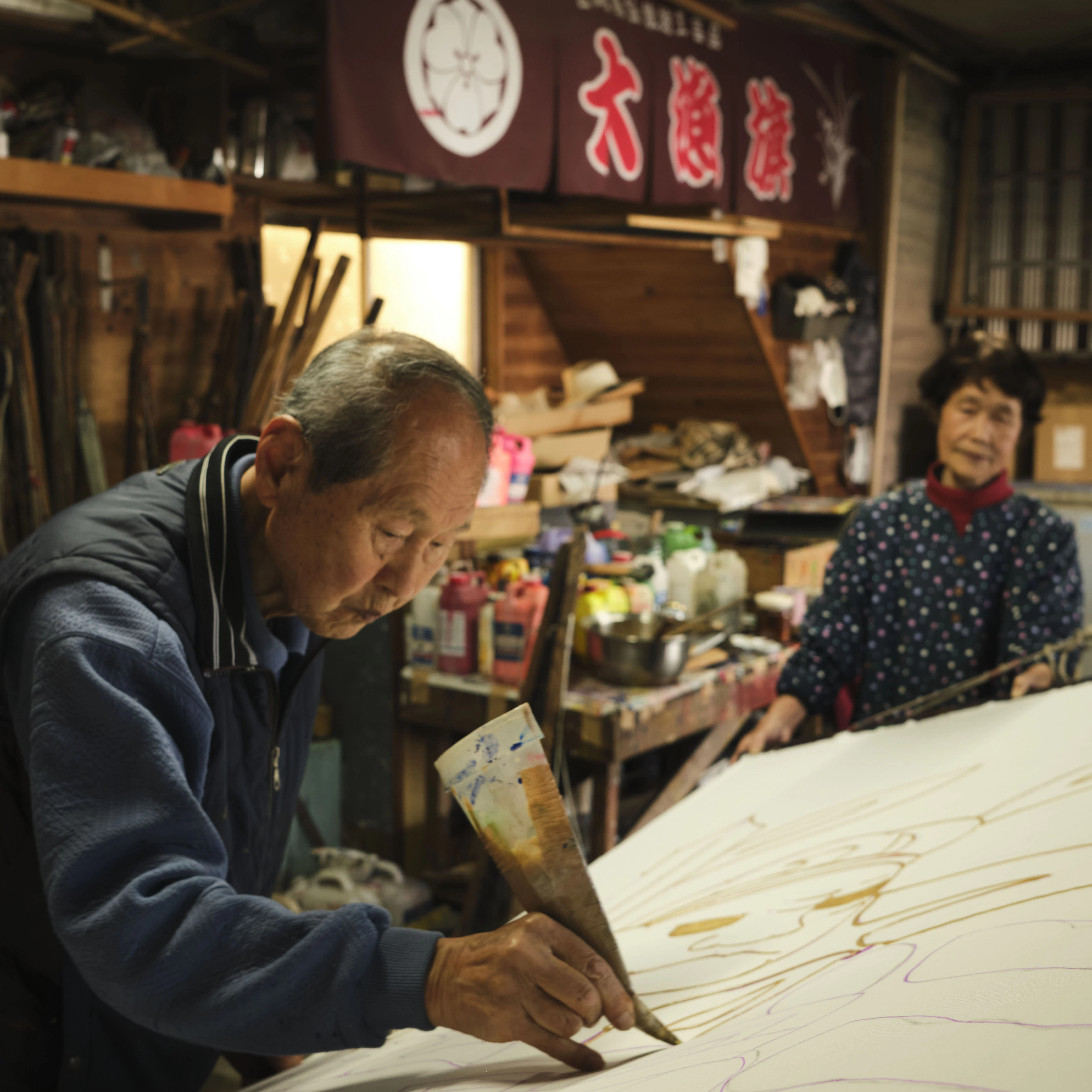
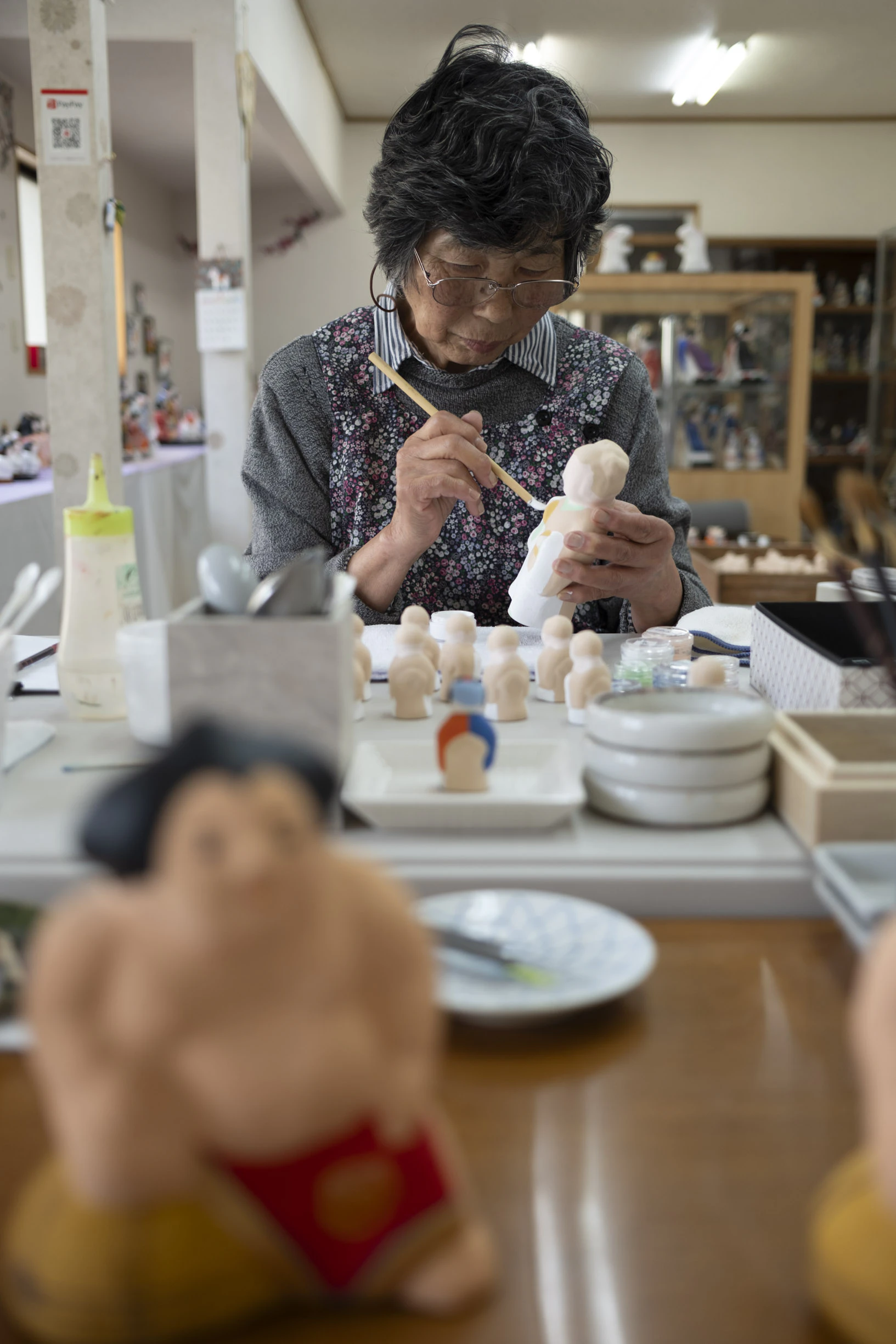
Artisans across Japan have long created dolls molded from clay and painted in vivid colors. In Miyazaki, the most famous style are called Sadohara Dolls, and the workshop currently producing them, Sadohara Ningyo-ten Masuya, originated from a family of sake brewers. (The shop’s name, Masuya, is derived from the masu wooden measuring box used for sake.) The first-generation artisan, Sakuzaemon Sakamoto, began making these dolls during the late Edo period, and the tradition has been passed down primarily within the family. Today, the eighth-generation artisan, Yumiko Sakamoto, and her daughter, Hiroko, continue the business from their studio in Sadowara. In the wide variety of dolls produced today, the long history of the craft becomes evident. The most striking dolls are those of actors in “farmer kabuki.” During the Genroku period, commoners created traveling troupes of kabuki, which toured the whole of Kyūshū until the Meiji Period.
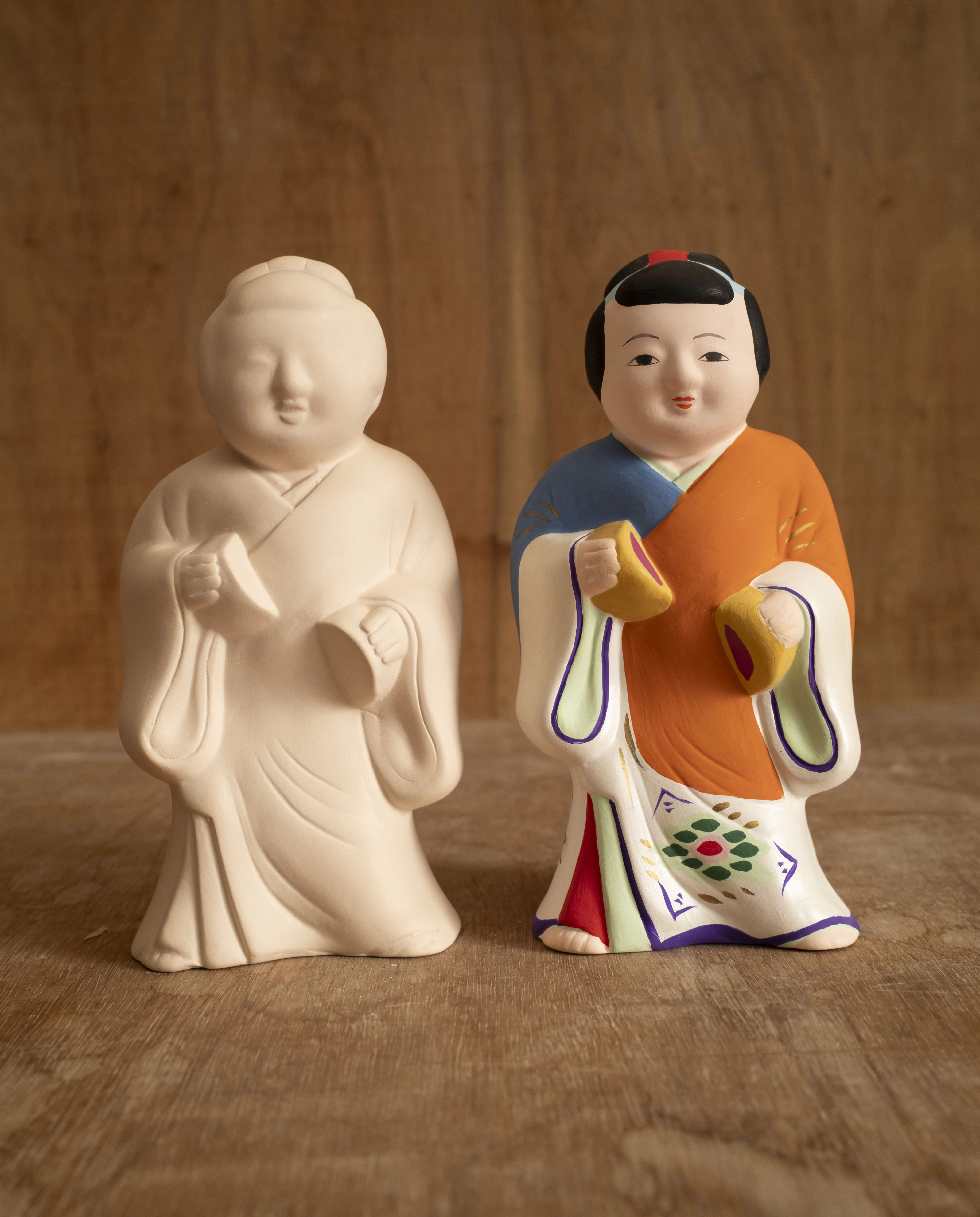
Although farmer kabuki eventually disappeared, the Sadohara dolls allow one to sense the passion the people of the actors and their fans. The Manju-kui (Bun-Eater) motif— inspired by a folktale about a clever young boy—has become a classic design seen in Fushimi dolls and others. The third-generation artisan, Heizaburō, adapted it into a doll of an innocent-looking young girl, for young girls to play with. Dolls depicting the haikara Western-style fashion craze of the Meiji era incorporate designs of coats and parasols from that time.
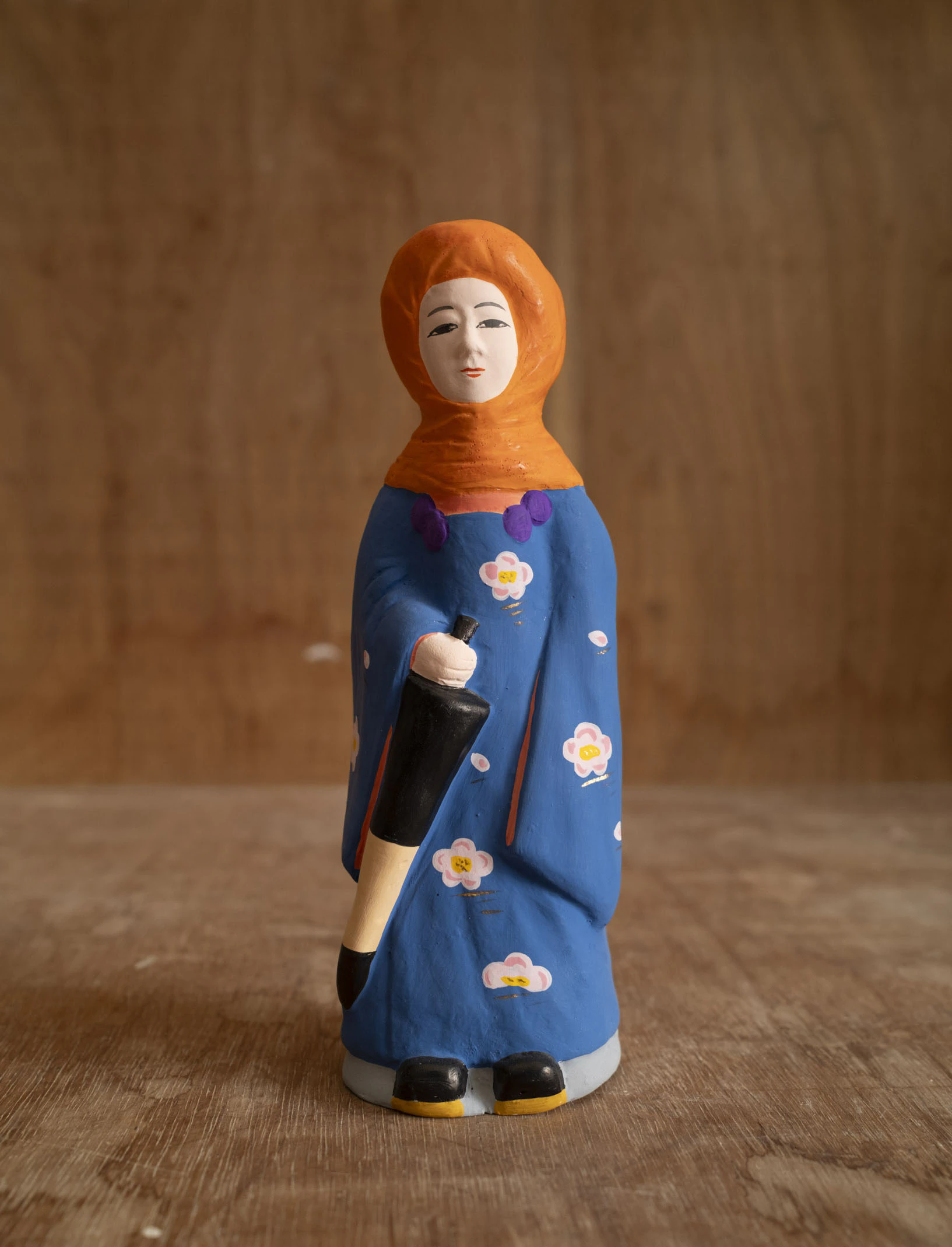
Hiroko is currently dedicated not only to maintaining the environment for her mother’s doll-making but also to initiatives that foster a proper understanding of this tradition. Her efforts include organizing doll-making workshops at the studio and sharing information through the web and social media. On the newly revamped website, she quotes words left by the fifthgeneration owner Kazuko: “Rather than creating flashy dolls, I want to make ones that reveal their true charm the longer you gaze at them.”
New
MIYAZAKI
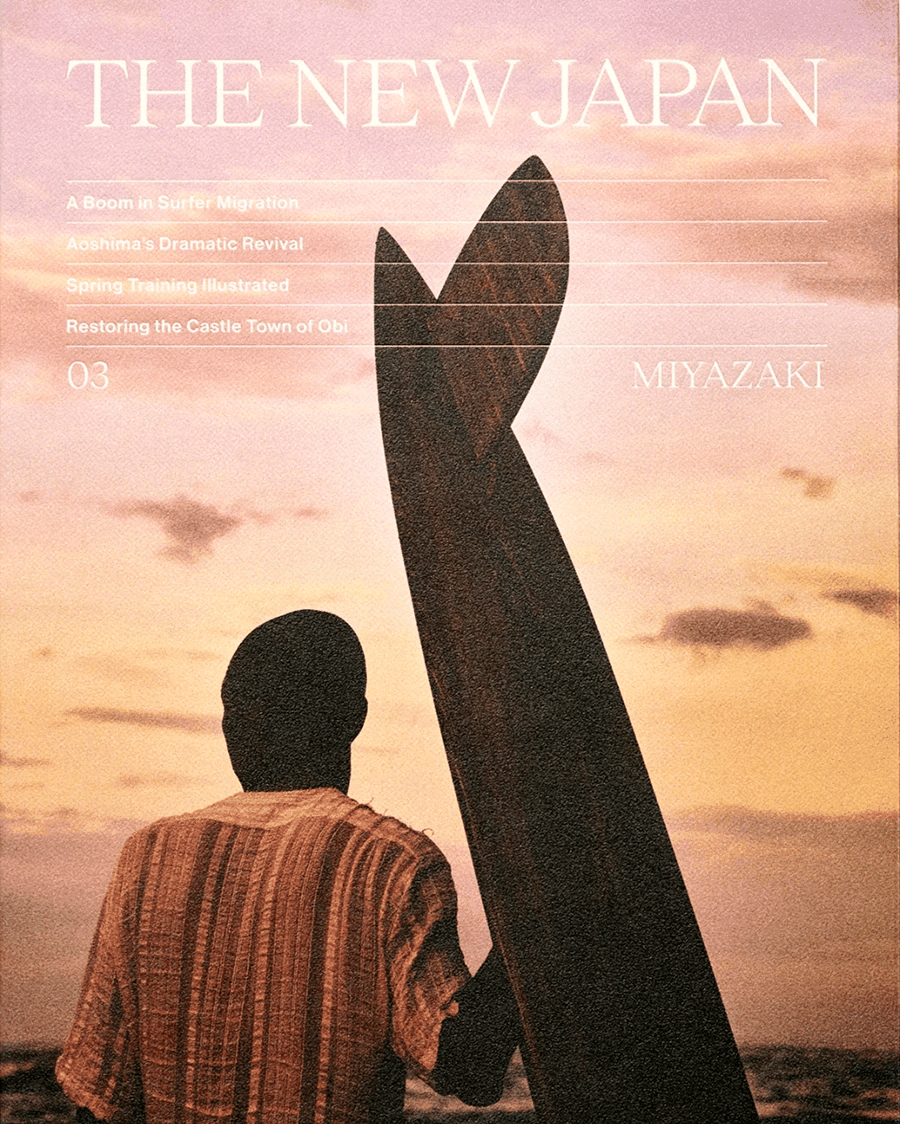
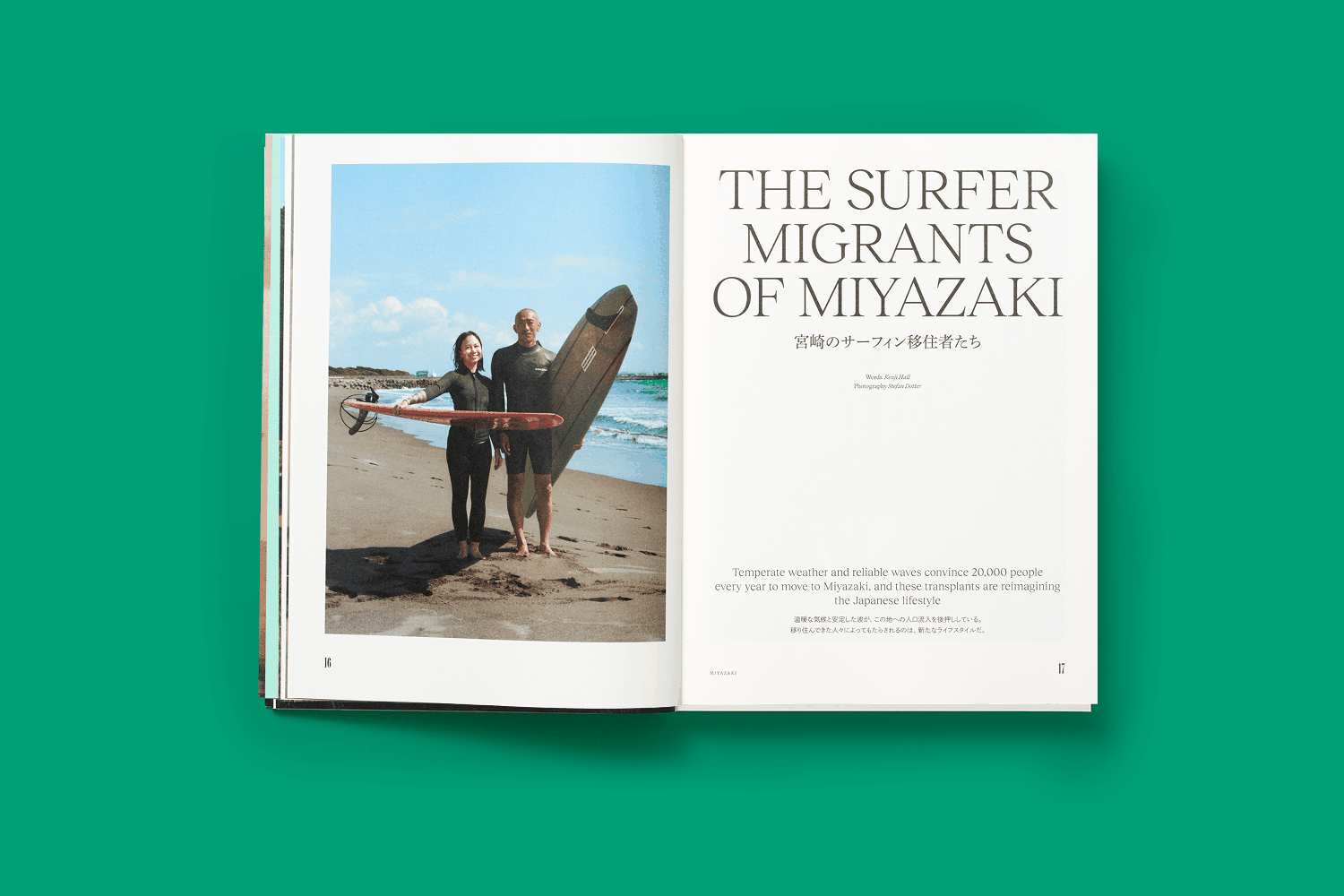
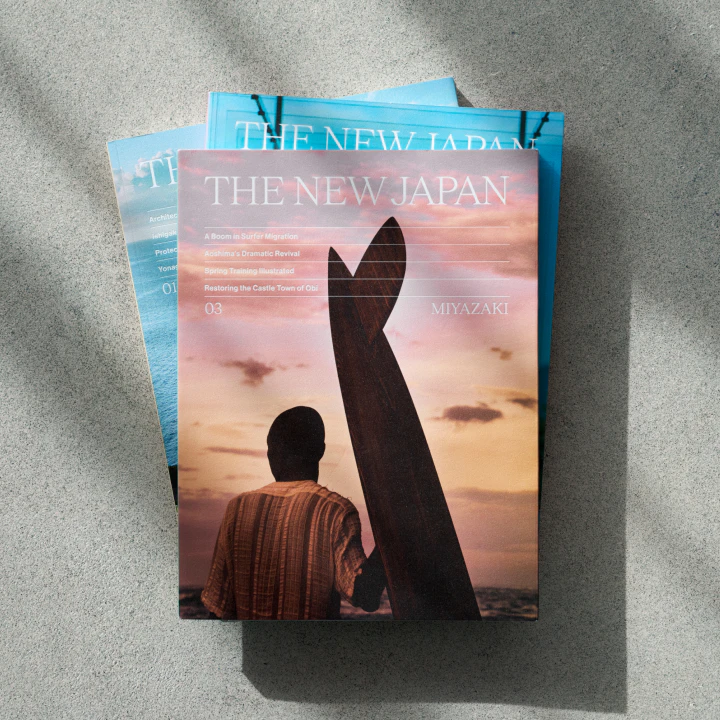
Miyazaki Prefecture in southeastern Kyushu is attracting a major wave of migration from other parts of Japan. We explored this sunny region's vibrant surfing culture, the small businesses and communities established by these newcomers, and the local design initiatives found in the historic castle town of Obi.